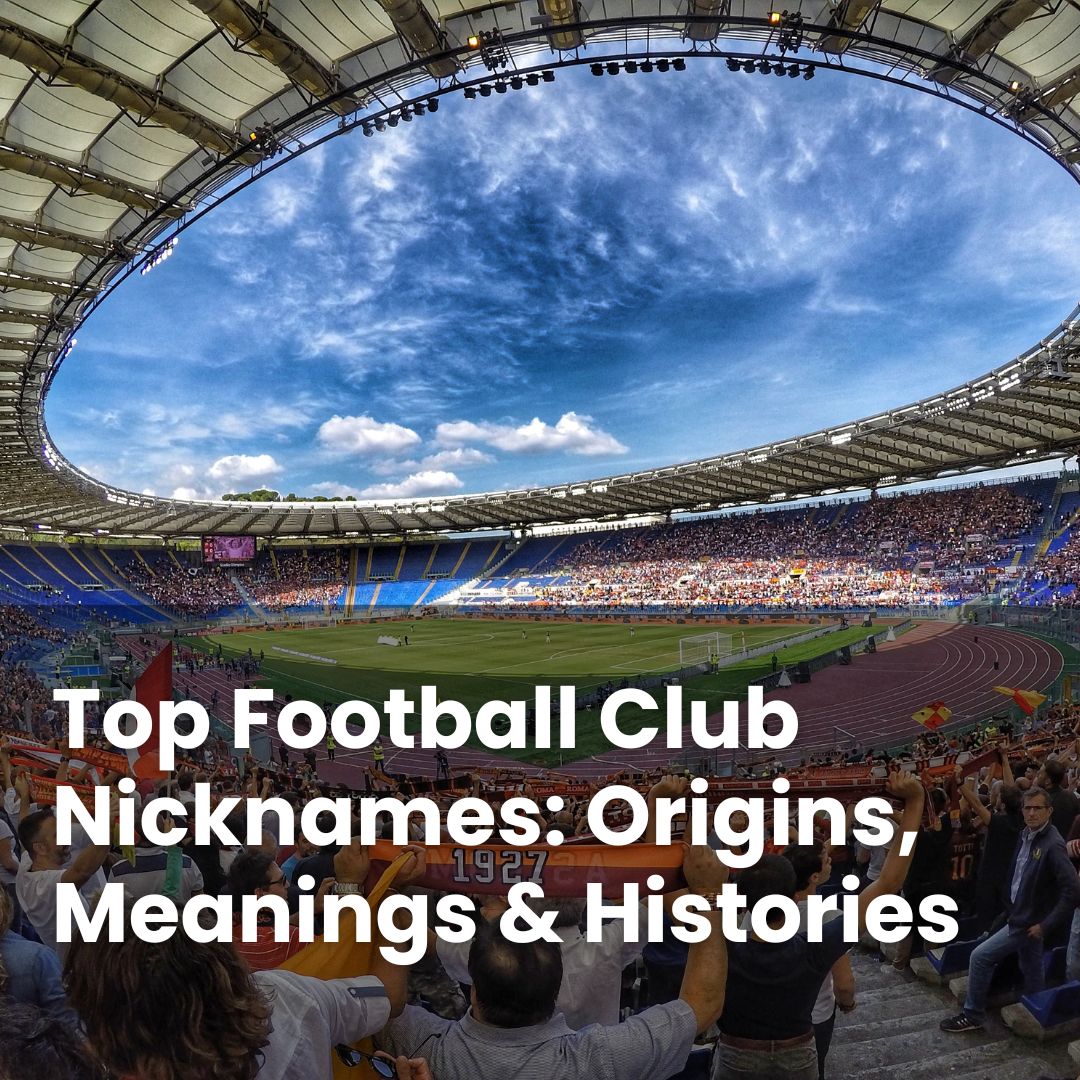
Football clubs across the UK are known for their unique nicknames, as they carry stories, meanings, and a strong sense of identity for fans and communities alike.
You might hear names like “The Reds”, “The Toffees”, or “The Black Cats” and wonder where they come from. Each nickname has a backstory, often rooted in local history, kit colours or traditions from decades ago.
In this guide, you will discover how some of the most popular football club nicknames began and what they mean.
What Makes Football Club Nicknames So Popular?
Football club nicknames make supporters feel a connection to their club. Using them creates a sense of belonging, whether you are chatting before kick-off or singing in the stands. They are memorable, quick to say, and instantly recognisable.
A good nickname often highlights something distinctive about the club, such as its colours, badge, or local roots, strengthening the bond between a team and its community.
Over time, these names have become part of everyday football language. You hear them on TV, in match reports, and in the ground, which helps them stick.
How Did The Most Famous Football Nicknames Start?
Many well-known nicknames grew from things supporters could see at a glance, like a kit change or a bold badge design.
Liverpool became “The Reds” after switching to an all-red kit in the 1960s, a striking look that made the team easy to spot. Everton’s “The Toffees” goes back to local toffee shops near the ground in the club’s early years. Arsenal’s “The Gunners” reflects origins linked to munitions workers in Woolwich, and the cannon on the badge keeps that story front and centre.
What starts with a practical detail or local reference often grows into a lasting identity that fans are proud to chant.
Discover The Best Online Casinos
Browse our list of top-recommended casino sites, read reviews from real players & be the first to get access to the latest casino bonuses
How Do Local Cultures Shape Football Club Nicknames?
Local history and everyday life shape many nicknames, connecting clubs to the places they represent.
Some names come from industries that defined a region. West Ham United are “The Hammers”, a nod to their ironworks heritage in East London, while Sheffield United’s “The Blades” reflects the city’s long association with steelmaking and cutlery.
Others draw on animals, landmarks, or simple local phrasing. Leicester City are “The Foxes,” a reference to the city’s association with fox hunting. Cambridge United’s “The U’s” is a plainspoken shortening used by fans that stuck over time.
These roots make the names feel authentic, reminding supporters that their club is part of the area. With that in mind, it is easy to see what several well-known nicknames are signifying.
UK Football Club Nicknames And What They Mean
If you are curious about the nickname of a football club in the top four divisions of English football, read on below to discover the nickname of every team from the Premier League, Championship, League One and League Two in the 2025/26 season.
- Accrington Stanley — “Stanley”: A plain, proudly no‑nonsense tag that mirrors the club’s modest roots and community identity.
- AFC Bournemouth — “The Cherries”: Drawn from the cherry‑red shirts and the orchards that once stood near their old ground.
- AFC Wimbledon — “The Dons”: A nod to the club’s Wimbledon heritage and the original amateur “Dons” identity.
- Arsenal — “The Gunners”: Taken from the club’s origins at the Royal Arsenal and reflected in the cannon on the badge.
- Aston Villa — “The Villans”: A long‑standing play on the club’s name that has become a proud identity for supporters.
- Barnet — “The Bees”: Inspired by the club colours and crest, it’s a busy, energetic emblem for the team.
- Barnsley — “The Tykes”: A Yorkshire nickname embracing local dialect and characterful grit.
- Barrow — “The Bluebirds”: A reference to their blue colours and a traditional northern football moniker.
- Birmingham City — “Blues”: A straightforward reference to their blue shirts and long history in the colour.
- Blackburn Rovers — “Rovers”: A classic English football suffix that underscores the club’s traditions.
- Blackpool — “The Seasiders”: Rooted in the resort town’s identity, it also nods to their famous tangerine strip.
- Bolton Wanderers — “The Trotters”: Said to derive from players trotting along a pig‑farm shortcut to the ground in years past.
- Brentford — “The Bees”: Popularised from fans’ chants of “Come on, you B’s,” later rendered as “Bees.”
- Brighton and Hove Albion — “The Seagulls”: Apt for a coastal club, adopted to reflect the city’s seaside character.
- Bristol City — “The Robins”: Drawn from their red home shirts and the bird featured in club imagery.
- Bristol Rovers — “The Gas”: A quirky nickname born from the old Eastville ground’s proximity to gasworks.
- Burnley — “The Clarets”: A direct nod to the club’s claret‑and‑blue colours.
- Burton Albion — “The Brewers”: Celebrates Burton’s world‑famous brewing industry.
- Cambridge United — “The U’s”: A simple abbreviation of “United,” widely used by fans and media.
- Cardiff City — “The Bluebirds”: Reflects the club’s blue colours and the bird emblem on their crest.
- Charlton Athletic — “The Addicks”: A traditional South London moniker with roots often linked to local “haddock” lore.
- Chelsea — “The Blues”: Taken from their iconic blue kit and long associated with the club’s identity.
- Cheltenham Town — “The Robins”: Inspired by the club’s red kit and a familiar footballing bird motif.
- Chesterfield — “The Spireites”: Named for the town’s famous crooked church spire.
- Colchester United — “The U’s”: Another United shortened to its initial, common in chants and headlines.
- Coventry City — “The Sky Blues”: Celebrates the club’s distinctive sky‑blue strip and famous terrace song.
- Crawley Town — “The Red Devils”: Reflects their red kit and devil motif, a bold image for the club.
- Crewe Alexandra — “The Railwaymen”: A salute to Crewe’s historic rail industry and the town’s engineering heritage.
- Crystal Palace — “The Eagles”: Adopted in the 1970s to project ambition and strength, now central to the badge.
- Derby County — “The Rams”: Drawn from the city and county symbol, proudly worn on the crest.
- Doncaster Rovers — “Rovers”: A classic team suffix that’s become the club’s everyday identity.
- Everton — “The Toffees”: Named after the local toffee shops near their historic home, Goodison Park.
- Exeter City — “The Grecians”: A traditional local nickname with roots in the St Sidwell’s area.
- Fleetwood Town — “The Cod Army”: A modern, lively tag linking the club to Fleetwood’s fishing heritage.
- Fulham — “The Cottagers”: A direct reference to Craven Cottage, their historic, riverside home.
- Gillingham — “The Gills”: A neat shortening of the club’s name, widely used by supporters.
- Grimsby Town — “The Mariners”: Proudly tied to the town’s fishing and seafaring traditions.
- Harrogate Town — “The Sulphurites”: A unique nod to the spa town’s sulphur‑rich waters.
- Huddersfield Town — “The Terriers”: Celebrates tenacity and the Yorkshire Terrier symbol.
- Hull City — “The Tigers”: Reflects their amber‑and‑black colours and the tiger on the badge.
- Ipswich Town — “The Tractor Boys”: A good‑natured embrace of Suffolk’s agricultural heritage.
- Leeds United — “The Whites”: Taken from the club’s all‑white kit, long a hallmark of Leeds sides.
- Leicester City — “The Foxes”: Rooted in Leicestershire’s historic fox‑hunting associations.
- Leyton Orient — “The O’s”: Based on the initial letter and long used in chants and branding.
- Lincoln City — “The Imps”: Inspired by the famous Lincoln Imp figure in the cathedral.
- Liverpool — “The Reds”: A simple, iconic nickname reflecting the club’s all‑red strip.
- Luton Town — “The Hatters”: Drawn from Luton’s historic hat‑making industry.
- Manchester City — “The Citizens”: A formal spin on “City,” embraced in club branding and identity.
- Manchester United — “The Red Devils”: Adopted mid‑20th century for its bold, intimidating imagery.
- Mansfield Town — “The Stags”: Linked to local heraldry and the stag symbol on the crest.
- Middlesbrough — “Boro”: A straightforward shortening widely used by supporters and media.
- Millwall — “The Lions”: Evokes courage and features prominently on the badge.
- Milton Keynes Dons — “The Dons”: Taken from the club name, it connects past and present identities.
- Newcastle United — “The Magpies”: From the black‑and‑white stripes and the bird on early crests.
- Newport County — “The Exiles”: Reflects periods playing away from the city during the club’s rebirth.
- Norwich City — “The Canaries”: Tied to local canary‑breeding history and their yellow kit.
- Nottingham Forest — “Forest”: Linked to the tree on the crest.
- Notts County — “The Magpies”: Owes to their black‑and‑white stripes and long tradition.
- Oldham Athletic — “The Latics”: A familiar contraction of “Athletic,” shared by a few English clubs.
- Oxford United — “The U’s”: A tidy abbreviation that’s stuck, often paired with their yellow colours.
- Peterborough United — “The Posh”: Famously said to come from a remark about players needing “posh” attire.
- Plymouth Argyle — “The Pilgrims”: Reflects the city’s Mayflower heritage and the club’s crest.
- Port Vale — “The Valiants”: A proud, aspirational tag reflected in the club’s imagery.
- Portsmouth — “Pompey”: The city’s own nickname, warmly adopted by the football club.
- Preston North End — “The Lilywhites”: From their traditional all‑white kit, a classic English moniker.
- Queens Park Rangers — “The R’s”: A chant‑friendly nickname derived from the initials QPR.
- Reading — “The Royals”: References the Royal County of Berkshire and the club’s heritage.
- Rotherham United — “The Millers”: Drawn from the town’s milling past and their old ground, Millmoor.
- Salford City — “The Ammies”: A link to their former amateur status and historic name.
- Sheffield United — “The Blades”: Celebrates Sheffield’s steel‑cutlery industry and the city’s identity.
- Sheffield Wednesday — “The Owls”: Named for the Owlerton district near their historic home.
- Shrewsbury Town — “The Shrews”: A neat shortening that plays on the town’s name and identity.
- Southampton — “The Saints”: Originates from the club’s roots as a church team at St Mary’s.
- Stevenage — “The Boro”: A shortened form of “Borough,” reflected in club branding.
- Stoke City — “The Potters”: Forever linked to Stoke‑on‑Trent’s world‑famous pottery industry.
- Stockport County — “The Hatters”: A nod to Stockport’s historic hat‑making trade.
- Sunderland — “The Black Cats”: Inspired by local history and embedded in the club’s crest.
- Swansea City — “The Swans”: A graceful symbol that mirrors the city’s name and waterways.
- Swindon Town — “The Robins”: Reflects their red colours and a classic footballing bird nickname.
- Tottenham — “Spurs”: A crisp shortening of Tottenham Hotspur, now universal among fans.
- Tranmere Rovers — “Rovers”: A traditional football suffix that’s become their everyday name.
- Watford — “The Hornets”: Taken from their yellow‑and‑black colours, despite the hart on the badge.
- West Bromwich Albion — “The Baggies”: A long‑standing Black Country nickname with several colourful origin tales.
- West Ham United — “The Hammers”: Rooted in the Thames Ironworks origins and the crossed hammers crest.
- Wigan Athletic — “The Latics”: A familiar contraction of “Athletic,” shared with Oldham.
- Wolverhampton Wanderers — “Wolves”: A natural shortening of Wolverhampton, now central to the brand.
- Walsall — “The Saddlers”: Celebrates the town’s leatherworking and saddle‑making heritage.
- Wrexham — “The Red Dragons”: Draws on the Welsh dragon symbol and the club’s red colours.
- Wycombe Wanderers — “The Chairboys”: A tribute to High Wycombe’s chair‑making industry.
Why Do Some Clubs Have More Than One Nickname?
Long histories and shifting styles mean clubs sometimes pick up more than one nickname. An official name might exist alongside a fan favourite, and both can live comfortably side by side.
Different names often reflect different angles on the same story. Aston Villa are “The Villa”, a simple shortening, while “The Villans” offers a more traditional, chant-friendly option. Supporters may use one at home and another away, or switch depending on the moment.
New names can also appear after a stadium move, a kit change, or a memorable event. If fans repeat it often enough, it becomes part of the club’s language. This variety adds character, giving supporters more than one way to show who they stand with.
Are Modern Football Clubs Still Creating New Nicknames?
New nicknames do appear, although the classics tend to dominate. Fresh names are more common for newer clubs, teams in lower leagues, or women’s sides, where identity is still being shaped.
Sometimes a phrase takes off through social media or after a standout performance. Whether it sticks depends on how widely fans adopt it in conversation, chants, and banners.
The best-known nicknames remain part of football’s shared language, giving matches an extra layer of meaning and connecting generations of supporters. That is why, old or new, a good nickname endures and tells you exactly who a club is.