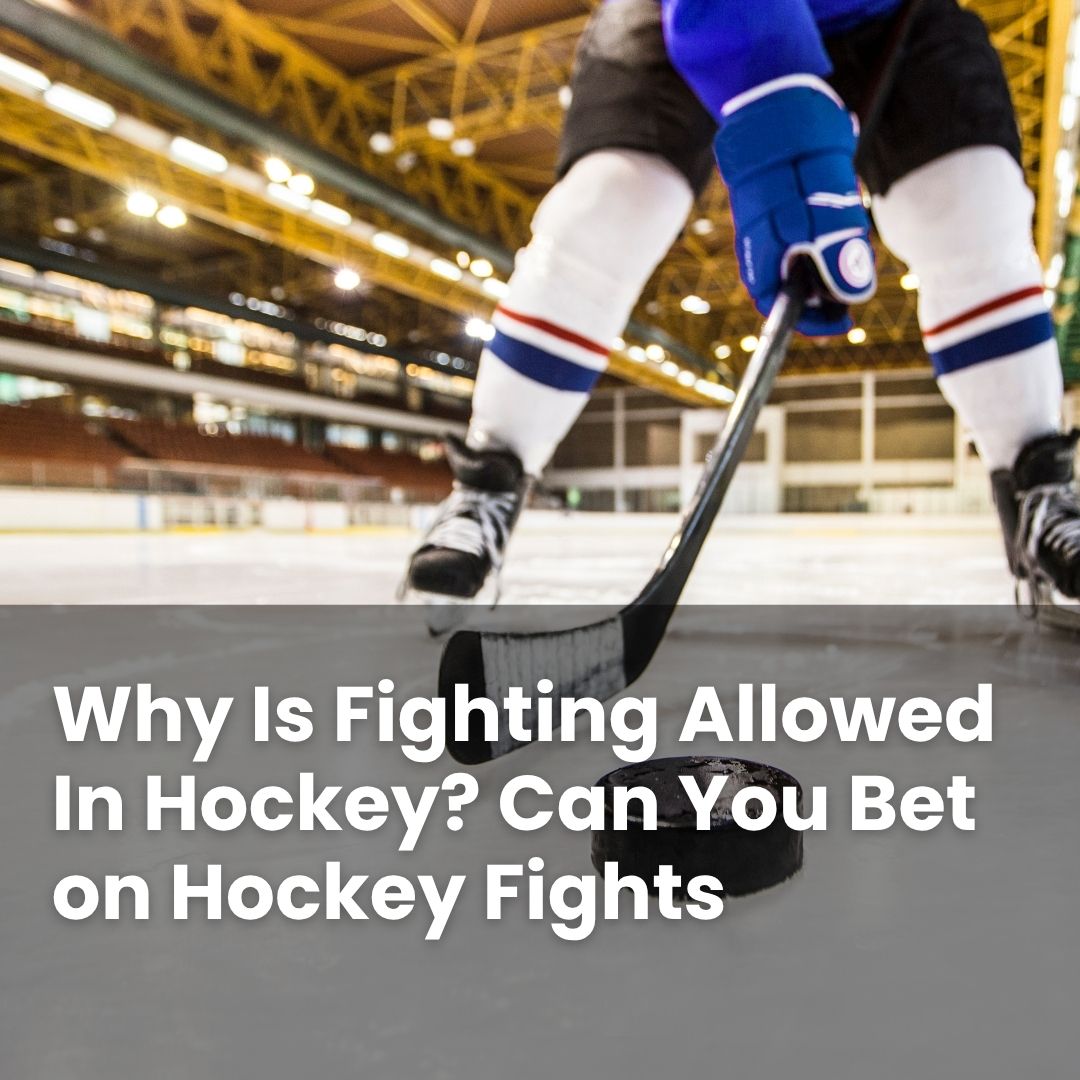
Fighting is part of the theatre in some hockey leagues, which naturally leads to questions about why it happens and whether it appears in betting markets.
This blog post explains why certain leagues allow fighting, how officials manage it, and what that means for teams and players. It also looks at safety concerns, the role of enforcers, and how bookmakers handle fight-related events, including the legal position in the UK.
If you follow hockey or bet on matches, knowing how fights are treated on and off the ice helps put the game, and the markets around it, into context.
Why Do Leagues Allow Fighting In Hockey?
Some leagues, particularly in North America, allow fighting because of long-standing traditions. Within that culture, controlled confrontation is seen by some as a way to deter cheap shots, protect skilled players, and ease tensions that could otherwise spill into more dangerous fouls.
The thinking is that when a dispute can be addressed openly, officials remain in control and players are less likely to resort to illegal hits. That does not mean a free-for-all. There are clear limits on what is acceptable, and referees are expected to step in quickly when boundaries are crossed.
Fighting has also become a recognisable feature in certain competitions, carried forward by generations of players and fans. Even so, stricter rule enforcement and changing attitudes mean it is less central to the sport than it once was.
With that background in mind, the next question is how the top professional league handles it in practice.
How Fighting Is Regulated And Penalised In The NHL
In the NHL, fighting is not outright banned, but it is tightly controlled. When a fight breaks out, play stops and referees assess penalties under the rulebook. The standard sanction is a major penalty, which sends the players involved to the penalty box for five minutes.
Additional penalties may apply. An instigator penalty can be called if a player clearly starts the altercation, and a misconduct or game misconduct can be added for repeat or severe offences. These measures are designed to keep matches from escalating and to discourage gratuitous violence.
The Department of Player Safety can review incidents after the game. If a player is found to have broken further rules, such as targeting the head or leaving the bench to fight, fines or suspensions may follow.
A clear framework like this aims to balance the sport’s physical side with player protection. It also affects how teams manage ice time and line combinations, which can shape the flow of a match.

Discover The Best Online Casinos
Browse our list of top-recommended casino sites, read reviews from real players & be the first to get access to the latest casino bonuses
Are Fights Allowed In International And Lower Leagues?
International competitions, including those run by the International Ice Hockey Federation, take a much tougher stance. Fighting typically leads to automatic ejection and can bring suspensions for future games. The emphasis is firmly on skill, discipline, and safety.
Many junior, collegiate, and amateur leagues adopt similar standards. Fights are strongly discouraged or banned, and players who do engage can face strict penalties and further action from league officials. This approach protects younger and less experienced participants and supports a positive competitive environment.
Because of these policies, fights are rare in international and lower-league hockey and are unlikely to feature in betting markets. Where fighting is permitted, however, teams sometimes build it into their tactics in a specific way.
Why Teams Use Enforcers And Fighting Tactically
Some teams have used enforcers to add a physical presence and discourage opponents from taking liberties with their playmakers. The enforcer’s job is not simply to fight, but to make opponents think twice about borderline hits and rough treatment.
Occasionally, a fight is used as a statement after a teammate has been targeted or to change the feel of a game. Coaches may believe it can spark energy on the bench or settle a simmering dispute before it turns into something worse.
That said, the role has faded in recent years. Rule changes, increased penalties for instigation, and a greater focus on speed and skill mean roster spots are more often given to players who contribute across multiple facets of the game. This shift links closely to concerns about player welfare.
What Are The Safety And Medical Concerns?
Fighting carries clear risks. Cuts, bruises, broken noses, facial injuries, and damaged teeth are common. More concerning are head impacts and concussions, which can have lasting effects on memory, mood, and cognitive function.
Leagues have tightened protocols in response. Medical staff are on hand at rinks, and many competitions use concussion spotters and return-to-play assessments to identify and manage possible head injuries. Education around recognising symptoms has improved, and there is growing scrutiny of repeat incidents.
Research into the long-term effects of head trauma continues to influence policy. As understanding has deepened, governing bodies have introduced harsher penalties for dangerous contact and greater oversight of incidents that go beyond normal play. This changing landscape also shapes how bookmakers and regulators treat fight-related activity.
Can You Bet On Hockey Fights?
Betting platforms generally concentrate on outcomes that reflect the broader contest, such as the match result, totals, and player performance metrics. By contrast, markets that target isolated confrontations are far less common.
In the UK, licensed bookmakers typically do not offer markets directly tied to fights, reflecting regulatory expectations and concerns about integrity and player welfare. If you plan to bet, use a licensed operator and check the available markets so you know exactly what is on offer under current rules.
As always, keep betting within your means and treat it as optional. If you ever feel it is becoming difficult to manage, help is available.
Are Bets On Fights Legal In The UK?
In the UK, the Gambling Commission sets the standards that licensed operators must follow. Those rules are designed to ensure fairness, protect participants, and reduce the risk of markets that could encourage harmful or unsporting behaviour.
Because of that, most licensed bookmakers do not price up fights or similar incidents in hockey. The focus remains on outcomes that are central to the sporting contest and can be monitored for integrity in a consistent way.
Anyone interested in betting should stick to licensed operators and check market availability, as offerings can change over time.
How Betting Markets Treat Fight Events
Bookmakers approach fight-related events with caution, especially in regulated environments. In general, platforms do not offer markets that hinge on violent flashpoints, and integrity teams monitor unusual patterns whenever there is a higher risk of manipulation.
Fight Occurrence Markets
Some regions or unregulated sites may have offered markets on whether a fight will occur in a game, or how many might take place. Even where such markets have appeared, they are tightly controlled and subject to scrutiny from regulators and bookmakers to protect match integrity.
Player Fight Prop Bets
Prop bets that revolve around a named player being involved in a fight are uncommon in regulated markets and are rarely seen with UK-licensed operators. The overall trend is towards markets that emphasise measurable performance rather than confrontations.
If betting is part of how you follow the sport, tools like deposit limits and time-outs exist to help keep control. If it starts to affect your well-being or finances, organisations such as GamCare and GambleAware provide free, confidential support.