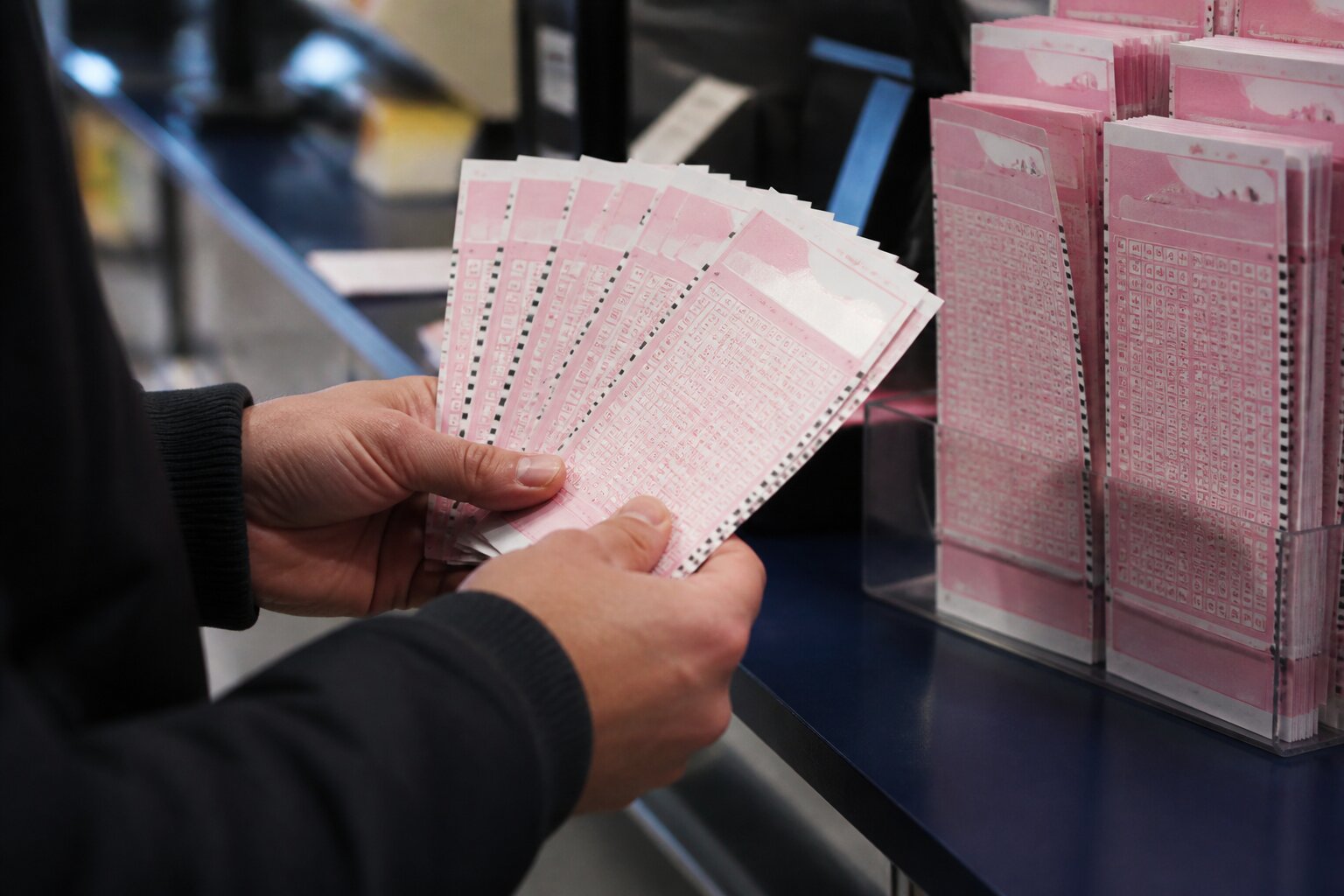
Have you ever wondered if there’s a maximum number of lottery tickets you can buy in one go? With the appeal of large jackpots, it’s tempting to buy more than usual. But rules and practical limits mean there are boundaries to consider.
Whether you play alone or in a group, knowing how purchases are regulated and what protections exist will help you make informed choices and keep playing within clear limits.
Before we get into the details, read on to learn how purchase rules differ by channel, what safeguards are in place, and practical points to bear in mind when buying several tickets.
UK Lottery Ticket Purchase Limits Explained
In the UK, ticket buying is governed to protect players and promote safer play. Major operators follow regulations set by the gambling regulator, which require sensible controls around spending and age verification.
For online purchases, many platforms apply an automatic weekly spending cap — a commonly used level is £350 — which covers ticket purchases and instant-win games. Players can often set lower personal limits too. These measures are enforced at account level to prevent overspending and to give players clearer control over their activity.
In physical shops, there is generally no single statutory cap on the number of tickets sold in one transaction, but retailers may refuse or limit very large purchases for practical or safeguarding reasons. Staff are trained to spot signs of risky behaviour and to act if a purchase appears excessive or problematic. These differences between online and retail channels reflect practicalities of each sales environment and the shared aim of keeping play within reasonable bounds. Look next at how bulk buying fits within those rules and what situations might trigger extra scrutiny.
Can You Buy Lottery Tickets in Bulk?
Buying multiple tickets at once is allowed, and many people do this for syndicates or group entries. Online purchases remain subject to the weekly cap, so bulk buying in that channel is limited by the amount you can spend within the set period. Offline, a group might buy dozens or even hundreds of tickets, but retailers may intervene if the purchase seems unusually large.
Retailers’ reasons for refusing or limiting a sale can include concerns about the buyer’s wellbeing, cash-handling constraints, or store policy on unusually large transactions. Where groups are involved, it helps if one person manages the purchase and keeps a clear record of contributions and tickets to avoid disputes later.
Bulk purchases raise the same regulatory expectations as single-ticket buys: the buyer must be 18 or over, and operators or retailers can refuse transactions that appear to risk harm. With that in mind, the next section explains the specific legal limits and safeguards that underpin these practices.

Discover The Best Online Casinos
Browse our list of top-recommended casino sites, read reviews from real players & be the first to get access to the latest casino bonuses
Are There Any Legal Restrictions on Lottery Ticket Purchases?
The legal framework requires that only adults — those aged 18 and over — may buy lottery tickets or scratchcards. Operators and retailers must carry out checks to prevent underage sales and to protect vulnerable people. Attempting to use someone else’s account or ticket is prohibited and can lead to exclusion from services.
Beyond age restrictions, operators are required to implement policies that promote fair play and player protection. This includes monitoring for unusual behaviour, offering tools for players to manage their spending, and intervening when there are signs of harm. These obligations are part of keeping games honest and play safe. The next section looks specifically at how age and ID checks are applied in practice.
What You Need to Know About Age and ID Requirements
Retail staff use the “Challenge 25” approach, asking for photographic ID if a customer appears under 25. Accepted forms of ID include a passport, driving licence, or an accredited proof-of-age card. If ID cannot be provided, staff must refuse the sale.
Online, operators undertake age verification during account registration and before purchases can be made; this may involve checking databases or asking for document uploads. These processes exist to ensure compliance with the legal age requirement and to reduce the risk of underage participation.
Clear identification checks support the wider protections built into the system, helping ensure only those eligible are able to play. Having covered verification, the following section examines how the buying experience differs between online and in-store channels.
How Online and In-Store Lottery Purchases Differ
Buying tickets online and in shops both comply with the same regulatory standards, but the ways those standards are applied differ with the environment.
Online Purchase Limits and Account Controls
Online purchases require an account and verification, with automatic enforcement of weekly spending limits and a history of transactions visible to the player. Operators also offer settings to limit deposits, ticket purchases, or to impose cooling-off periods. These tools can be adjusted by the player within the operator’s rules and are reinforced by identity checks and payment controls.
This digital trail makes it easier for both the player and operator to spot changes in behaviour. Alerts and account flags can prompt further checks or temporary holds, and customer support can intervene if concerning patterns appear. The permanence of online records also supports responsible gambling measures and regulatory audits.
In-Store Buying Rules and Practical Limitations
In a shop, age checks happen face to face and staff rely on visible documentation and local policies. Practical constraints such as available cash, till limits, or store rules may effectively cap how many tickets can be sold in one transaction. The immediacy of a physical sale means staff can ask questions or refuse a sale if they believe it is appropriate.
Retailers also have discretion to refuse sales they judge to be excessive, which adds a human layer to the safeguards found online. Staff training and management oversight play a significant role in how consistently those decisions are applied. The in-person interaction can catch issues that automated systems might miss, while also relying on judgement that varies between outlets.
Understanding these contrasts helps when planning larger purchases or syndicate entries; next, we consider how buying more tickets actually affects your prospects of winning.
Does Buying More Tickets Increase Your Chances of Winning?
Each ticket is an additional entry, so buying more increases the number of chances in a mathematical sense, but the overall probability of winning a major prize remains very small. Draws are conducted so that every ticket has the same statistical chance of matching the winning numbers; buying multiple entries does not change how results are generated.
Because increased ticket buying brings more expenditure without any guarantee of success, operators provide tools and controls so players can limit spend and take breaks if needed. Balancing the potential marginal change in odds with the cost involved is a practical consideration for anyone thinking about buying many tickets. With that practical balance in mind, the next section dispels some common misunderstandings about ticket purchases.
Myths and Misconceptions About Lottery Ticket Purchases
There are several persistent myths. One is that some shops or times offer better chances; in truth, the draw process and selection of winning numbers are not influenced by where or when a ticket is bought. Another is that there are no checks or limits in-store; while there may be no statutory numerical cap, retailers still have obligations and practical reasons to refuse or limit sales.
A further misconception is that increasing ticket quantities dramatically shifts the outcome; while odds move slightly with extra entries, the change is usually insignificant compared with the cost. Clearing up these misunderstandings helps set realistic expectations around playing. The next section explains what happens if purchase limits are breached or purchases look excessive.
What Happens If You Try to Buy Too Many Tickets?
Online systems will block further purchases once a set spending cap is reached, and they may prompt the player to review account settings or use available controls. In shops, staff can refuse to complete a sale they consider excessive, or suggest alternatives such as spreading purchases across different transactions. These interventions protect both the customer and the retailer.
If a transaction is refused for safeguarding reasons, staff should explain why and offer information on available support or account tools. That approach aims to keep playing enjoyable and within safe limits. The following section offers practical, balanced tips for staying in control while playing.
Tips for Staying Responsible When Playing the Lottery
Keeping play enjoyable relies on clear, personal boundaries. Setting a firm budget beforehand helps control spending; many players decide how much they can afford to lose and stick to that amount. Making use of operator tools — such as spend limits, time-outs, or self-exclusion options — adds extra safeguards. It also helps to keep accurate records when participating in group entries so contributions and potential prizes are handled transparently.
Avoiding myths about improved odds and recognising that larger purchases mean greater expense rather than certainty of reward keeps expectations realistic. If concerns arise about gambling behaviour, speaking to a professional support service is a sensible step.