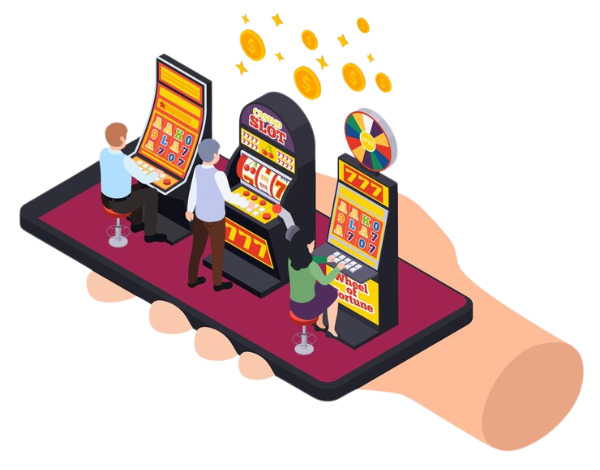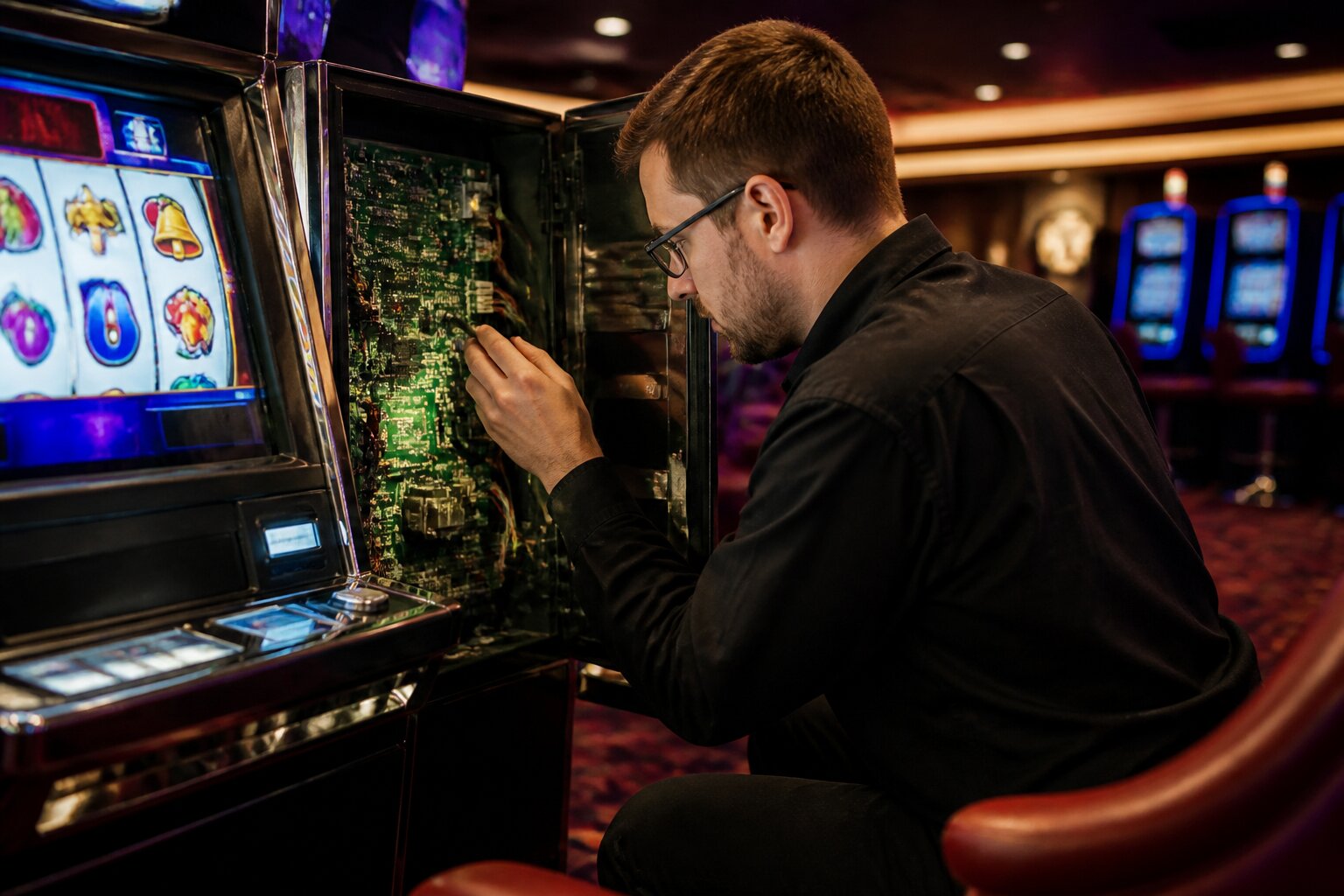
Slot machines, a dominant feature in both online and land-based casinos, are popular for their straightforward gameplay, as well as for having a variety of interesting themes and exciting features.
Nevertheless, many players often wonder about the inner workings of these virtual slot machines. The answer lies in their programming, which engages a complex system of algorithms and software to deliver a fair gaming experience.
How Are Slot Machines Programmed?
A key component of slot machines is the Random Number Generator (RNG). This software uses an intricate algorithm to produce a sequence of numbers that determines the outcome of each spin.
The RNG runs continuously, even when the machine is idle. It is always generating new numbers in the background.
When a player presses the Spin button, the algorithm takes the number being produced at that exact moment and uses it to decide which symbols appear and in what order. This process means each spin is independent and random, so the machine does not favour any particular result.
Do Slot Machines Have Algorithms?
Yes, slot machines use algorithms that are central to how online slots work. These algorithms do not allow for predictable outcomes; they ensure each spin is random and independent.
Every spin is a separate event with the same chance of winning, regardless of what happened before. There is no payout schedule, so wins can occur on consecutive spins or a session may pass without any wins; the result is always unpredictable.

Discover The Best Online Casinos
Browse our list of top-recommended casino sites, read reviews from real players & be the first to get access to the latest casino bonuses
How Do Online Slots Decide Who Wins?
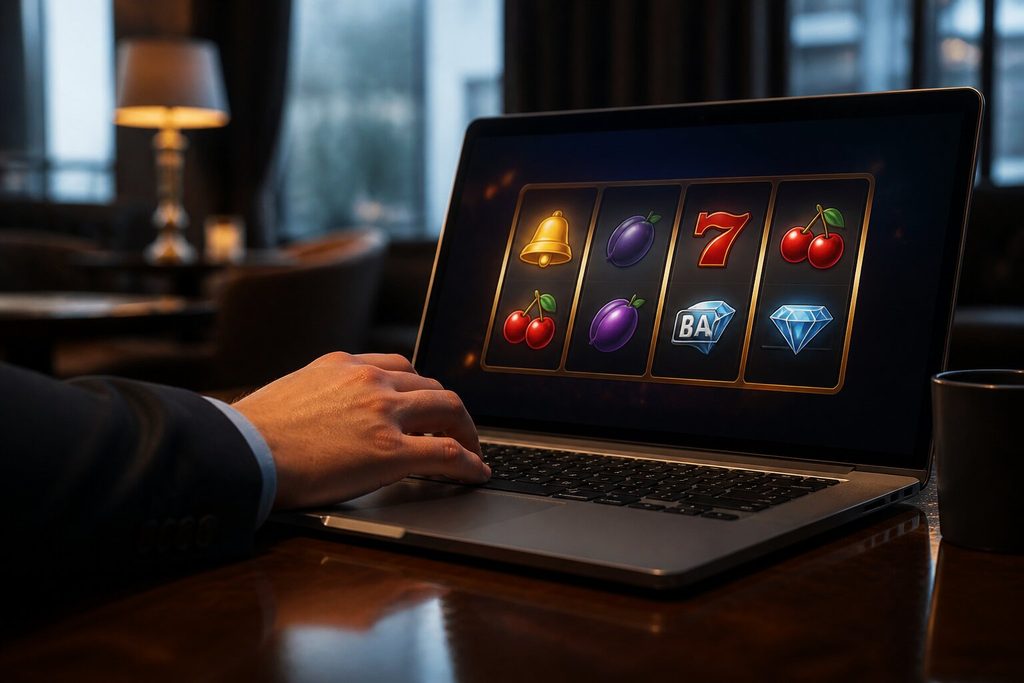
The decision of who wins in online slots is made by a mathematical process called the Random Number Generator (RNG). An RNG uses a seed value to produce millions of number sequences every second. Those number sequences are mapped to the positions and symbols on the reels, so each spin’s outcome is effectively unpredictable and cannot be manipulated by players or operators.
Players can also consider the Return to Player (RTP) rate and the volatility rating as indicators of a slot’s likely behaviour. RTP and volatility are theoretical values based on long-run play, so actual outcomes on individual spins or sessions may differ because of the inherent randomness of the game.
Is There a Pattern to Slot Machines?
No. There is no reliable pattern to slot machine outcomes. Some players believe they can spot patterns or that a machine is “hot” or “cold”, but this is a misconception.
Each spin is an independent event and the odds of a win on any given spin are the same every time. Previous spins do not affect future results.
Results are determined by a random number generator (RNG), which produces millions of number sequences each second, even when the machine is not being played. Any sequence of wins or losses is coincidental rather than the result of a predictable pattern.
Are Slot Machines Programmed to Make You Lose?
The simple answer is no. Slot machines are not programmed to make you lose. Regulations require casinos to ensure fairness in their games, including slots.
Each spin’s result is determined by a random number generator (RNG) that produces unpredictable outcomes. Every spin is independent, so the chances of winning on one spin are not affected by previous or future spins.
Casinos do have a built-in advantage known as the house edge, which exists across casino games. That advantage means the operator is likely to profit over the long term, but it does not mean individual players will always lose.
It is not possible to trick slot machines into paying out more often. Understanding how RNGs and the house edge work can help set realistic expectations when playing.