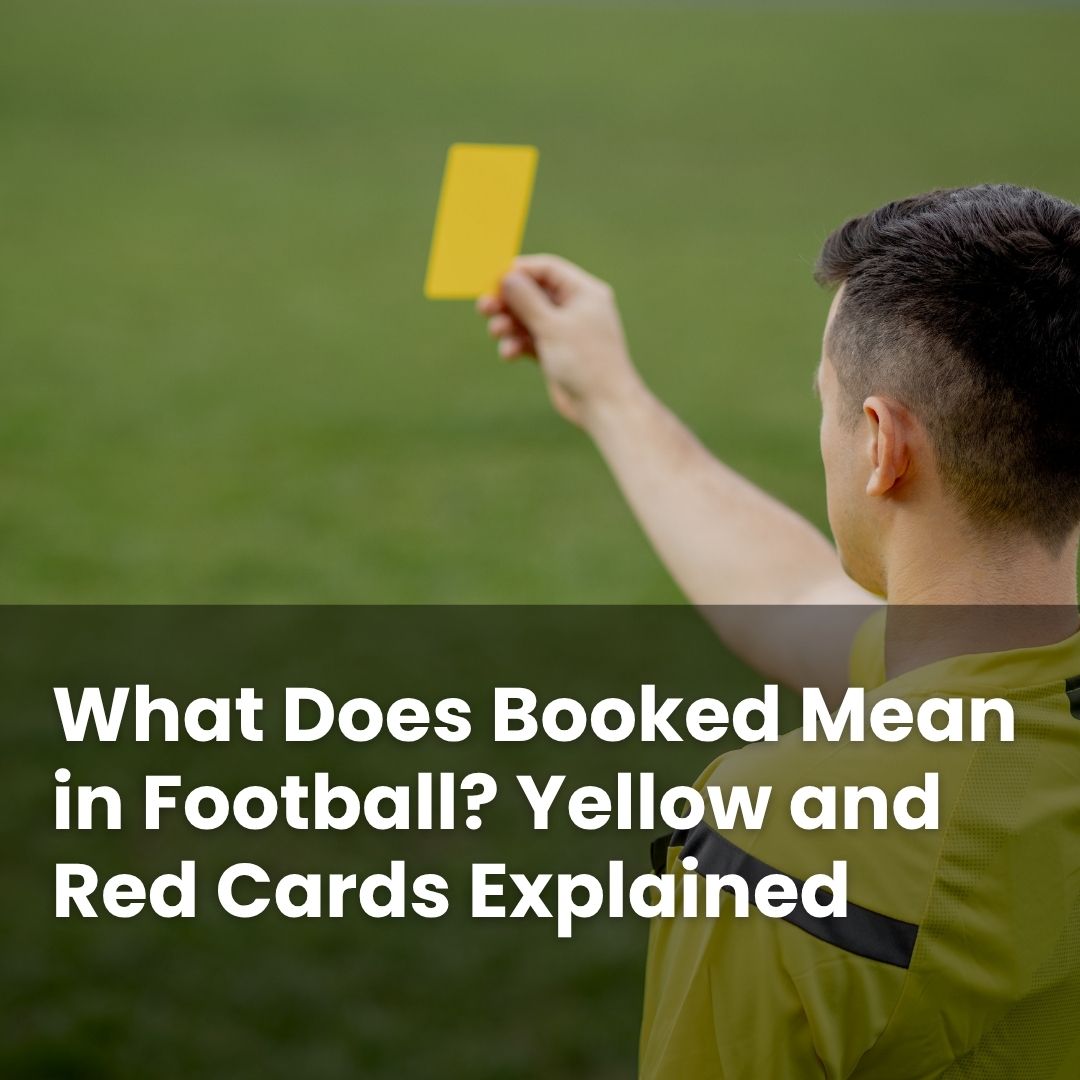
Seeing a yellow or red card during a football match is a familiar moment, but what do these cards actually mean for the players and the flow of the game? Understanding bookings helps make sense of key turning points, whether you are watching casually or following your favourite teams closely.
This blog post explains what it means when a player is booked, the difference between yellow and red cards, and the types of offences that lead to each. It also covers how repeated bookings lead to suspensions, what happens right after a sending off, and how referees record and signal these decisions.
If you bet on football, treat this as information to help you read a match more clearly. Always set limits and never stake more than you can afford to lose.
What Counts As A Booking In Football?
A booking happens when a referee officially notes a player’s misconduct by showing a yellow or red card. It goes on the player’s record and can affect their availability for future matches.
Typical reasons include unsporting behaviour, persistent fouling, dissent towards the referee, delaying the restart of play, failing to respect the distance at free kicks or corners, and entering or leaving the pitch without permission. Yellow cards signal less serious offences and serve as a caution. Red cards are reserved for serious incidents and require the player to leave the field immediately.
Bookings help referees keep order and encourage players to stay within the laws. With that foundation in place, it helps to look more closely at how yellow and red cards differ in practice.
Yellow Card Vs Red Card: What’s The Difference?
A yellow card is an official warning. The player stays on the pitch, but the caution is recorded. If they continue to break the laws, consequences follow.
A red card is more serious. The player must leave the pitch straight away and take no further part in the match. Their team then has to play with one fewer player, which often changes tactics, shape and risk management for both sides.
There are two paths to a red card. It can be shown for a single serious offence, or it can follow a second yellow in the same game. Either way, the referee records the details, which feed into any suspension that may follow.
Now that the difference is clear, it helps to know which actions usually lead to a caution in the first place.

Discover The Best Online Casinos
Browse our list of top-recommended casino sites, read reviews from real players & be the first to get access to the latest casino bonuses
Common Offences That Earn A Yellow Card
Yellow cards are used for offences that breach the laws without reaching the threshold for a sending off.
Unsporting behaviour covers a range of actions, such as reckless challenges, trying to deceive the referee by simulation, or handling the ball on purpose to interfere with play. Dissent, which includes arguing with or showing a lack of respect to officials, is another common reason.
Players can also be cautioned for delaying the restart, for example by kicking the ball away or standing in the way of a quick free kick, and for failing to retreat the required distance at restarts. Persistent infringement is treated seriously too. A string of minor fouls by the same player can lead to a yellow card even if each individual offence seems small. Entering or leaving the field without permission is also cautionable.
So what happens when those cautions add up during a single match?
How Does A Second Yellow Become A Red Card?
If a player receives a second yellow card in the same match, it automatically becomes a red card. The referee shows the second yellow, then the red, which signals that the player must leave the pitch.
This exists to manage repeated misconduct. Two separate offences in one game show the player has not adjusted after the first warning. From that moment, their team must continue with fewer players, and the incident is entered in the match report, which may trigger a suspension under the competition’s rules.
Straight Red Cards: When Are They Given?
A straight red card is shown for serious offences that require immediate dismissal, regardless of any previous cautions. It is separate from being sent off for two yellows.
Common reasons include serious foul play, such as a challenge that endangers the safety of an opponent, and violent conduct, which covers actions away from a challenge like striking or attempting to strike another person. Denying an obvious goal scoring opportunity, either by a foul or a deliberate handball, is also a frequent cause. Offensive, insulting or abusive language or gestures towards officials or others can lead to a straight red as well.
These offences often carry longer suspensions, although the exact length depends on competition regulations and the details of the incident.
So, once a red card appears, what follows on the pitch and in the paperwork?
What Happens Immediately After A Red Card In A Match?
When a player is sent off, the referee shows the red card clearly and the player must leave the field without delay. They cannot be replaced by a substitute, and they cannot return to the match.
The game restarts in a way that matches the original offence, such as a free kick or penalty. Both teams usually adjust their approach straight away, with the side reduced in numbers often changing formation or tempo. The referee notes the dismissal in the official record, which forms part of the disciplinary process that follows.
How Do Bookings Affect Player Suspensions And Records?
Bookings feed into a player’s disciplinary record, which in turn affects their availability. Accumulated yellow cards can trigger a suspension once they reach a competition’s set threshold. A red card generally brings at least a one-match ban, with more serious offences leading to longer suspensions.
Managers and analysts keep a close eye on these records, as missing players can shape tactics and selection in upcoming fixtures.
Domestic Suspensions Versus International And Cup Competitions
Suspensions often apply only within the competition where the cards were received. For example, cautions collected in league matches usually count towards league suspensions only.
Cup and international competitions keep separate tallies. A player suspended in a league fixture might still be eligible for a cup tie, and vice versa, unless the regulations for that tournament state otherwise.
Can A Booking Or Red Card Be Appealed Or Overturned?
Clubs can appeal certain disciplinary decisions, particularly red cards. After the match, the case can be reviewed by a panel that looks at available evidence, including video footage and the referee’s report.
The panel may uphold the decision, reduce the punishment, or overturn it if there has been a clear error. Yellow cards are rarely rescinded, except in cases such as mistaken identity.
These outcomes affect player availability and can alter plans for upcoming matches.
How Do Referees Record And Signal Bookings And Send-Offs?
Referees make decisions clear using cards and established signals. When cautioning or sending off a player, the card is held high so players and spectators can see. The referee then records the details in a notebook or electronic device, including the player’s identity and the nature of the offence. Assistants and the fourth official help confirm incidents, and in some competitions video officials may also assist with serious offences.
If a player is sent off, the referee ensures they leave the pitch before play resumes. These records feed into the official match report, which governs suspensions and informs any appeal.
If you bet on football, keep it within your means. Set personal limits, take breaks, and never chase losses. If gambling starts to affect your well-being or your finances, seek help early. Organisations such as GamCare and GambleAware offer free, confidential support across the UK.
Understanding how bookings work makes the moments around yellow and red cards clearer to follow, and it brings the rhythms of a match into sharper focus.