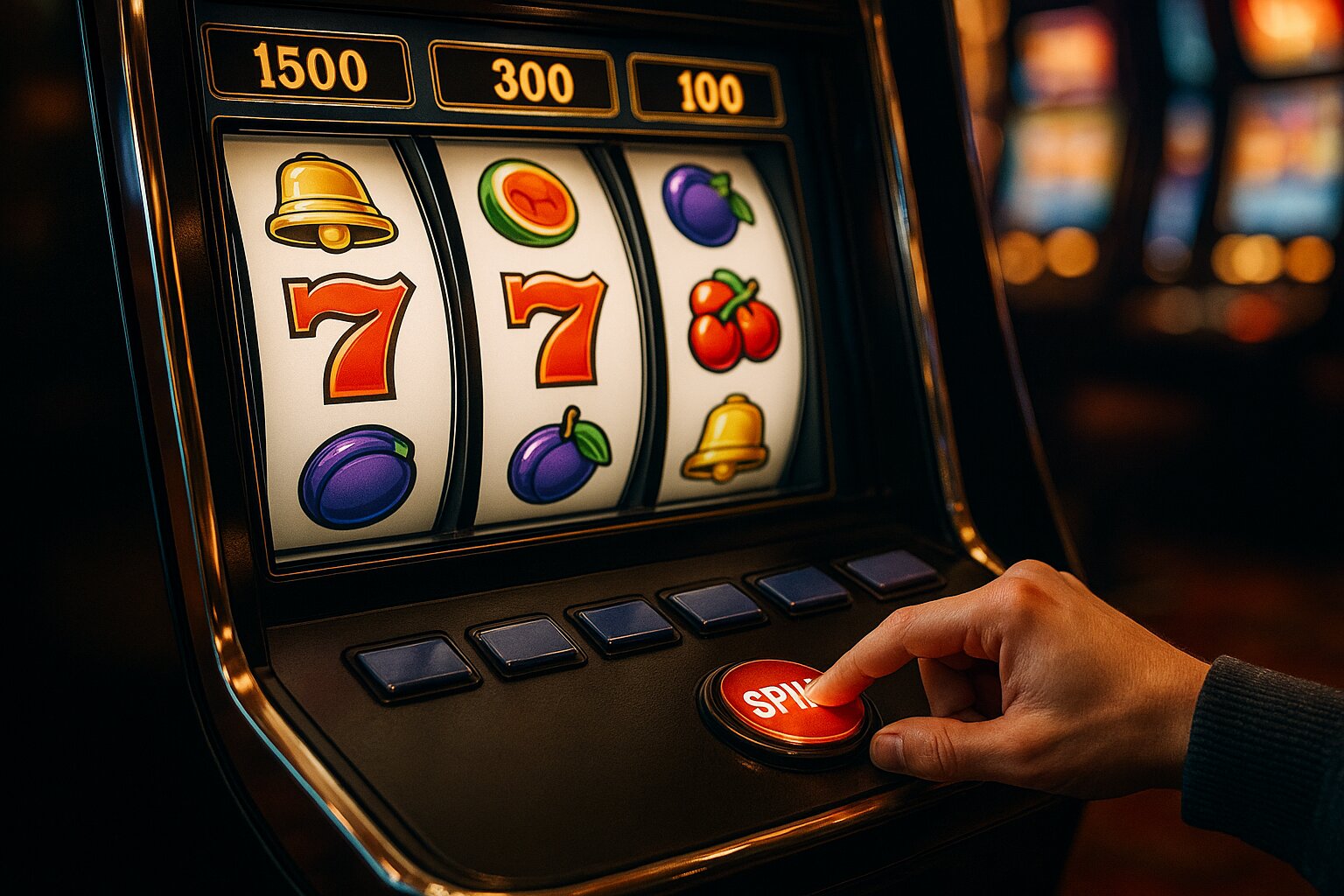
When it comes to slot machines, deciding how many spins to play can feel puzzling. Whether you’re new to online slots or a regular player, a few clear principles make it easier to set sensible limits and enjoy the experience.
This guide explains how spins work, what affects outcomes, and practical ways to plan a session. It’s aimed at UK players and draws on independent research to give neutral, useful advice.
If you want to compare operators or check player protections, you’ll find those options on our site as you read on.
How Do Slot Machines Work in the UK?
Slot machines in the UK use Random Number Generators (RNGs). The RNG produces results for each spin independently, so every outcome is determined at the moment the spin is registered. Because of this, earlier spins do not influence later ones.
Regulated games are reviewed to ensure fairness and transparency. Game rules and paytables describe features such as wilds, scatters, bonus rounds and free spins; those features are resolved by the same RNG system. Important information like Return to Player (RTP) and maximum wins is usually shown in the game’s information panel so players can see how the game is structured.
Understanding that every spin is an independent event helps set realistic expectations before you start a session.
How Does the Number of Spins Affect Your Chances?
Each spin on a regulated slot is an independent event with the same chance of a given outcome as any other spin. The random number generator ensures every spin is separate, so previous results do not alter the probability of the next one. The RTP is a long-term average derived from millions of spins and does not predict short-term results.
That means playing more spins does not change the underlying probabilities for any single spin. However, over a very large number of spins the actual returns tend to move closer to the stated RTP, while in the short term outcomes can vary widely because of volatility.
Because outcomes are independent, there is no reliable pattern or signal in past results that can be used to forecast future ones. This has several practical implications:
- You cannot use streaks or recent results to predict upcoming wins.
- Chasing losses by increasing play will not alter the odds for future spins.
- Short-term wins or losses are mainly due to variance rather than a change in probability.
Understanding independence and variance makes it easier to manage time and money while playing. Set sensible limits, treat wins and losses as part of normal variance, and avoid chasing a particular outcome. If gambling stops being fun or feels out of control, seek help from recognised support organisations.

Discover The Best Online Casinos
Browse our list of top-recommended casino sites, read reviews from real players & be the first to get access to the latest casino bonuses
What Is a Reasonable Number of Spins on a Slot Machine?
There isn’t a universal “right” number of spins. Instead, decide what fits your own budget, time and comfort level. Consider these separate factors when choosing how many spins to play:
- Budget: how much money you are prepared to spend and potentially lose.
- Time: how long you want the session to last.
- Comfort: how much risk and variability you are comfortable with.
Some people prefer to set a fixed number of spins beforehand; others work to a spending limit and let the number of spins follow from that. Both approaches can work, and you can combine them by setting a time limit as well as a money limit.
A sensible approach is to balance how long you want to play with how much you can afford to lose. That creates a clear boundary that helps keep play enjoyable and controlled. Practical ways to apply this include setting a timer, choosing an affordable stake size that stretches your budget without overstretching it, and taking regular breaks.
Always avoid chasing losses or increasing stakes in an attempt to recover money. If you feel impatient or upset, stop the session and reassess. Remember to treat play as entertainment, not a way to make money, and seek help if gambling stops being fun or starts to cause problems.
Factors to Consider Before Deciding How Many Spins to Play
Before you begin, it helps to think about a few practical factors. These influence how long you will play, the pace of your session and the sort of outcomes you might reasonably expect.
Taking a moment to plan can make your time at the game more enjoyable and less likely to lead to regret. It also helps you stick to limits you set for yourself and reduce the chance of chasing losses.
Bankroll Management: Setting Your Limits
Bankroll management is about deciding in advance how much you can comfortably spend in a session or over a period of time. Setting a spending cap or a session budget prevents accidental overspending and gives a clear signal for when to stop.
Many regulated operators offer tools to help you manage play and stay within limits. Typical options include:
- deposit limits that control how much you put in,
- loss limits that restrict how much you can lose, and
- time reminders that alert you when you have been playing for a set period.
Using these features makes it easier to stick to a plan without needing to monitor every spin. Remember to use limits that match your personal finances and to treat them as firm boundaries.
Volatility & Payback: What Do They Mean?
Volatility describes the payout rhythm of a slot. It can help you pick a game that matches the way you want to play.
For example:
- high-volatility slots tend to produce larger wins less often, which can mean longer losing runs with the chance of a bigger pay-out,
- low-volatility games typically give smaller, more frequent payouts, which can help preserve your balance over a short session.
RTP, or return to player, is the long-run percentage of stakes returned to players and serves as a broad indicator of a game’s payback profile. It is not a guarantee of short-term results, but it helps you compare games.
Knowing a game’s volatility and RTP helps match the slot to your session plan. For instance, a short session on a low-volatility game may deliver more frequent small wins, whereas a longer session might suit a high-volatility title if you are prepared for bigger swings and the possibility of longer stretches without wins. Always keep expectations realistic and play within your limits.
Do More Spins Lead to Better Wins?
More spins do not raise or lower the probability of any given outcome on a subsequent spin. Each spin is an independent event, so the chance of a particular symbol or result appearing is the same every time. Playing more simply means you will see the game’s statistical behaviour more often, but it does not change the underlying odds.
Over many spins, the overall results tend to align with the game’s expected return because of the law of large numbers. In the short term, however, variance can cause results to swing widely. That means you can experience long losing runs or sudden wins, but those are normal fluctuations rather than signs that the odds have shifted.
Recognising this distinction helps prevent common mistakes and emotional decisions. Examples include:
- increasing bets to try to force a turnaround
- chasing losses by extending play beyond your plan
- abandoning staking limits after a losing or winning streak
A thoughtful approach to staking and session length is a more reliable way to manage the experience. Set limits before you start, stick to them, and view each spin as a separate event rather than part of a predictable pattern. Play responsibly and only gamble what you can afford to lose.
Common Myths About Slot Machine Spins
Several misconceptions circulate about slot behaviour. Common examples include:
- The machine becomes “due” for a payout after a losing run.
- Tapping buttons at certain moments or using particular patterns can influence outcomes.
- A machine that has paid out recently is “cold” or will not pay out again soon.
In regulated play, outcomes are decided by the random number generator well before any button is pressed, so those actions do not affect results. Each spin is independent, and prior results do not change the probability of future spins.
Separating fact from fiction helps you approach sessions with clarity and prevents unhelpful habits that can increase risk. Recognising randomness and avoiding chasing losses are practical ways to manage play responsibly and reduce harm.
When Should You Walk Away From a Slot Machine?
Knowing when to stop is a key part of a sensible session plan. Decide beforehand what you can afford to lose and how much time you will spend playing. Clear, pre-set limits reduce the chance of chasing losses or making impulsive decisions.
Useful limits to set include:
- spending caps that you will not exceed
- time limits for each session
If you reach any of those limits, the most reliable option is to end the session rather than changing your behaviour to try to alter the outcome. Increasing bets to recoup losses usually leads to larger losses. Likewise, continuing because you feel you are “due” for a win is a risky mindset.
Taking regular breaks during a session helps you stay aware of how you feel and how much you have spent. Short breaks offer a chance to reflect and make a calm decision about whether to continue.
Watch for clear warning signs that it is time to step away. These include:
- the play has stopped being enjoyable
- you feel anxious, pressured or compelled to keep playing
- you are chasing losses or ignoring other responsibilities
If you find it hard to stick to limits, consider practical tools and support options available to help you stay in control. These can include setting deposit or time restrictions with the operator, using self-exclusion schemes, or talking to a gambler support service. If gambling stops being fun or starts to cause problems, seek help promptly.
Key Takeaways for Playing Slot Machines Responsibly
Approaching slots with a plan makes the experience more enjoyable and sustainable. Keep these points in mind:
- Set limits on spending and time before you start and stick to them.
- Understand that spins are independent and RTP is a long-term average, not a short-term guarantee.
- Avoid chasing losses; changing behaviour to recover funds tends to increase risk.
- Use site tools such as spend limits and time reminders to help maintain control.
- Seek support from independent organisations if you have concerns about your play.
If you’d like to try different games while maintaining good protections, explore our site’s comparisons of regulated operators to find ones that match your preferences. Play within your limits and enjoy the session on your terms.
**The information provided in this blog is intended for educational purposes and should not be construed as betting advice or a guarantee of success. Always gamble responsibly.