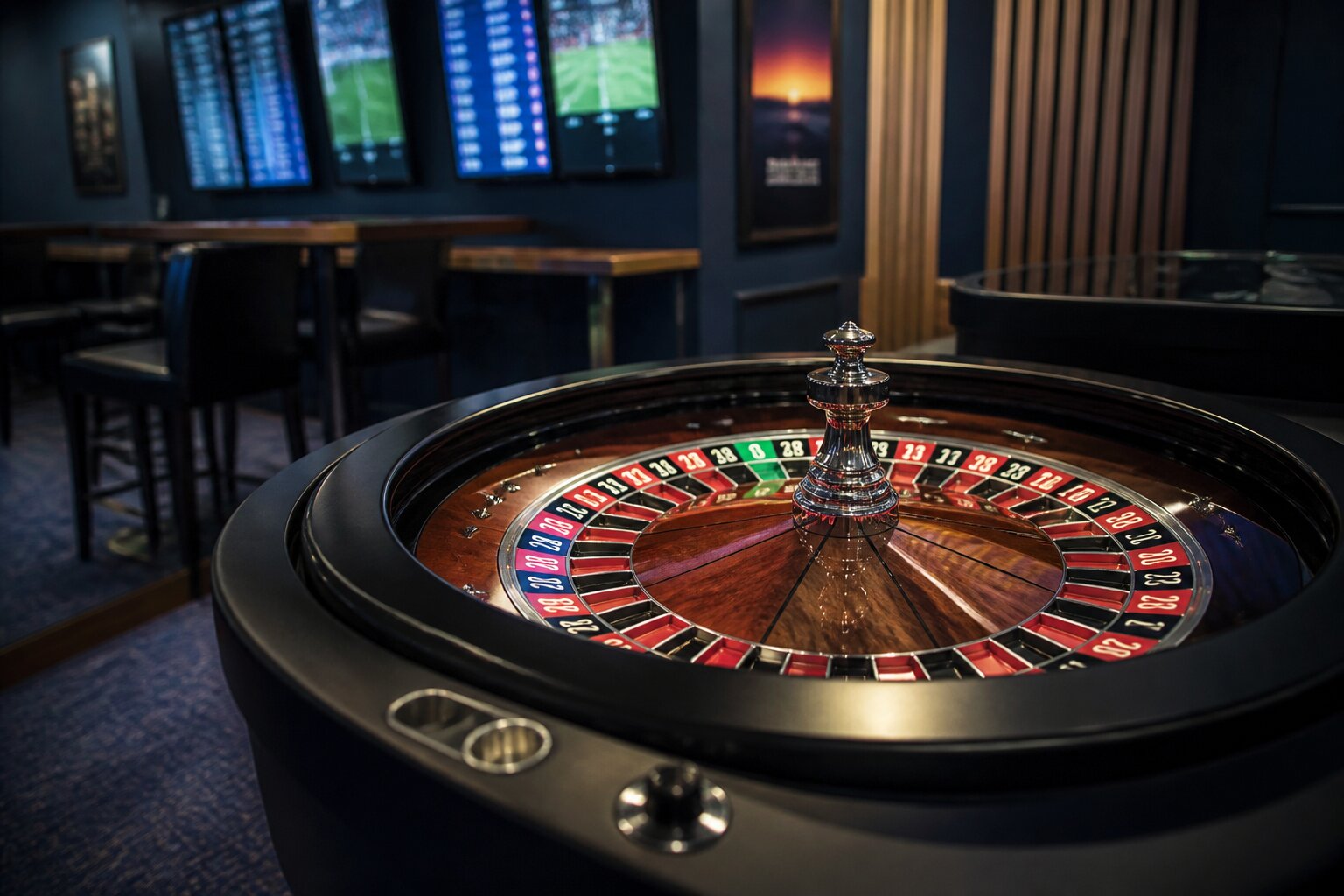
If you’ve ever played one of the roulette machines in a local betting shop, you may have wondered how fair these games really are. Conversations in pubs and threads online often raise doubts about whether operators can influence outcomes.
This article looks objectively at those concerns, explains how the machines operate, and highlights what you need to know before using them in a betting shop. It should give you the facts and the confidence to judge for yourself.
What Are Bookies’ Roulette Machines?
Roulette machines in UK betting shops are commonly known as Fixed Odds Betting Terminals, or FOBTs. These electronic devices offer a range of casino-style games, with roulette among the most familiar to players.
Instead of a live dealer and a physical wheel, FOBTs present a digital interface. Players select numbers or bet types on a touchscreen and the machine generates an outcome via software. These terminals are available only to people aged 18 or over and must meet regulatory standards before they can be used in a shop.
Because they are regulated, FOBTs carry clear information about rules and payouts on screen. That transparency helps players understand what they are playing and what the potential returns might be.
How Do Bookies’ Roulette Machines Operate in Betting Shops?
Using a roulette machine is a straightforward process. A player chooses a stake, selects a bet type, and confirms the wager on the touchscreen. The machine then runs the game and displays the result.
The engine behind each spin is a computer programme called a Random Number Generator, or RNG. The RNG produces the outcome for every spin independently, so each result is generated by the software rather than by a person in the shop.
Machines are designed to show the odds and the payout structure before play begins, so you can see what each bet offers. The overall user experience resembles live roulette, but the entire sequence is automated and controlled by the terminal’s software.

Discover The Best Online Casinos
Browse our list of top-recommended casino sites, read reviews from real players & be the first to get access to the latest casino bonuses
Are These Machines Truly Random?
When regulators and operators use the word random, they mean that each spin is produced independently and cannot be predicted from past results. Random Number Generators are the technical tool that produces those outcomes.
Before a machine can be offered to players, independent testing companies examine the RNG and the broader software to ensure it behaves as intended. Tests look for statistical patterns that would suggest the software is not producing independent results.
In the UK, machines must meet legal standards for randomness and fairness, enforced by the UK Gambling Commission. That regulatory oversight includes certification procedures and ongoing checks to ensure compliance over time.
If you want to understand the technical side in more depth, the testing regimes focus on statistical analysis so auditors can certify that outcomes conform to expected probability distributions.
Is It Legal for Machines to Be Fixed in the UK?
It is illegal to offer fixed or rigged gambling machines in the UK. The UK Gambling Commission sets rules that require licensed operators to run games which meet defined technical and fairness standards. Those standards cover how games are designed, tested and independently verified, so players can expect outcomes to be genuine and random where appropriate.
Operators must obtain certification and meet ongoing reporting and compliance obligations. This includes keeping records, providing information when requested by the regulator and ensuring third party suppliers also meet the required standards. Operators are expected to have systems in place to detect and prevent tampering or dishonest practice.
If the regulator finds a breach it can impose sanctions. Possible actions include:
- monetary fines,
- licence suspension, variation or revocation,
- enforcement notices requiring remedial steps,
- referral for criminal prosecution where offences are suspected.
These controls exist to protect players, deter wrongdoing and maintain public confidence in regulated gambling. Players who suspect a machine has been tampered with can report concerns to the operator and to the Gambling Commission, and they may pursue complaints through the operator’s published complaints process.
Common Myths About Fixed Roulette Machines
Public concerns about fixing often come from misunderstandings of how digital games work, combined with stories that spread quickly in social settings. Because the machines are electronic and outcomes are generated by software, some people assume they can be adjusted on the fly, but that is not how properly regulated systems operate.
Independent certification and regulatory oversight are intended to prevent manipulation. Where rumours persist, they usually stem from a single unusual sequence of results or from people misremembering an event. Statistical variation can look surprising, but it does not equate to deliberate interference.
Here is a closer look at a common worry and why it is unlikely.
Are Outcomes Rigged or Manipulated?
Some people believe that betting shops or staff can change results to benefit the operator. In practice, outcomes are controlled by certified RNG software and cannot be adjusted by shop employees during normal operation.
Regulatory rules prohibit manipulation and require machines to be audited by independent bodies. These audits review both the software and the operational procedures that surround machine use, making it difficult for an operator to alter outcomes without detection.
Anecdotes about fixed machines are best treated cautiously; where credible evidence of wrongdoing exists, regulators investigate and the findings are made public.
How Are the Machines Tested and Regulated?
Machines undergo extensive testing before and after they enter use. Independent third-party auditors evaluate the RNG, the payout structures, and the integrity of the software. Their work includes statistical testing that checks for anomalies over large numbers of spins.
Certification is not a one-off event. Regular checks and reporting requirements help ensure a machine continues to meet standards once it is deployed. The regulator also inspects operators’ systems and procedures to make sure they maintain records and controls that prevent tampering.
That layered approach—technical testing, operator oversight, and regulatory inspection—forms the backbone of the system designed to keep these games operating within legal and technical requirements.
Now that you know how the machines are vetted, you might wonder why players still suspect problems after losing periods.
Why Do Players Suspect Machines Are Fixed?
People often interpret sequences of unfavourable outcomes as evidence of tampering. When several poor results happen close together it can feel like more than coincidence, even though such runs are a normal feature of randomised systems.
Cognitive biases contribute to these reactions. For example:
- Availability bias makes people more likely to remember unusual or painful events than routine ones.
- The tendency to seek patterns leads players to look for causes when none exist.
- The gambler’s fallacy makes some expect short-term outcomes to balance out, so continued losses feel especially surprising.
A string of unfavourable results is a natural possibility within randomised systems, and people sometimes overestimate how unlikely such sequences are. Social sharing of dramatic stories and anecdotes amplifies the impression that something untoward is happening, because vivid tales spread faster than quiet, uneventful play.
Understanding how randomness can produce surprising patterns helps make sense of these reactions. Keeping clear expectations about odds, using published return-to-player information where available, and recognising the full range of possible outcomes can reduce suspicion and help players make more measured decisions about play.
What Should You Do If You Suspect a Problem?
If you have concerns about a machine’s behaviour, there are established channels to raise them. Begin by speaking with the shop staff or management; they can check the terminal and explain operator procedures. If you feel the response is insufficient, pursue the operator’s formal complaints process.
You may also contact the UK Gambling Commission to report suspected regulatory breaches. For unresolved disputes, an Alternative Dispute Resolution service provides an independent route to seek a resolution. These steps help ensure any credible concerns are investigated by the appropriate authorities.
If gambling is causing you distress, independent support organisations offer confidential guidance and practical help. Reaching out to them can be an important part of looking after your wellbeing.
This overview has aimed to separate fact from myth and to explain the technical and regulatory safeguards that apply to betting-shop roulette machines. With that information, you can make informed choices and raise concerns through the proper channels if necessary.
**The information provided in this blog is intended for educational purposes and should not be construed as betting advice or a guarantee of success. Always gamble responsibly.