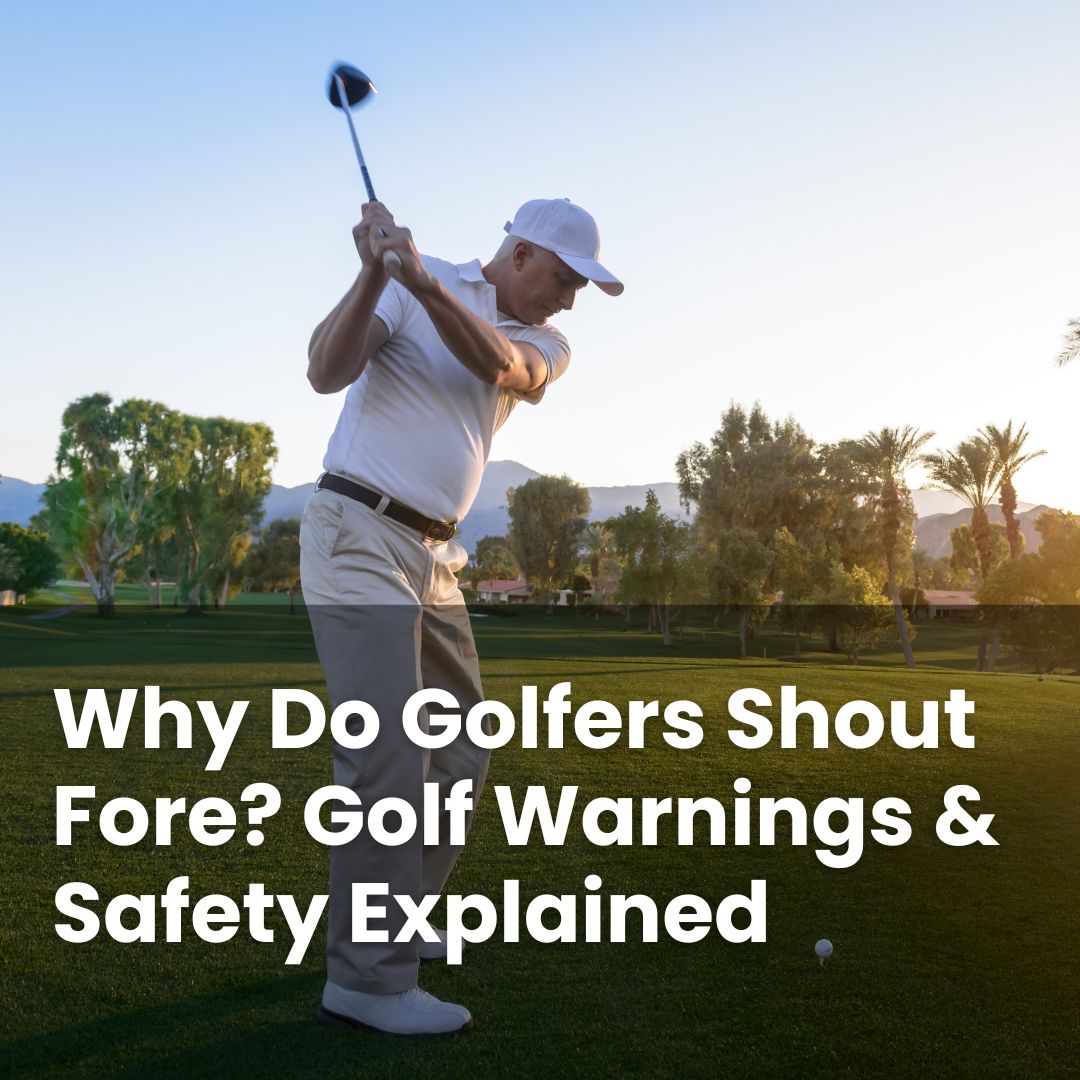
Golf courses are peaceful places, but the shout of “fore” quickly draws attention. For those new to the game, this sudden warning may raise questions about where it comes from and what players are expected to do when they hear it.
Misunderstanding golf safety signals can lead to confusion on busy fairways. Knowing when and why “fore” is used helps everyone stay aware and comfortable during a round.
This guide explains the meaning behind “fore”, the responsibilities golfers have towards others, practical tips for responding to warnings, and how course rules approach safety.
Read on to learn more.
What Does Fore Mean And Where Did It Come From?
The word “fore” is a warning shout used in golf to alert anyone in the path of a golf ball. Its purpose is to help prevent injury by giving people a moment to react or move out of the way.
Most sources link the term to the “forecaddie”, a person who would walk ahead to watch where shots land and signal the spot. Golfers would call out “fore” as a shortened warning to the forecaddie that a ball was incoming. The call spread beyond that role and became a general safety alert for anyone on the course.
Today, “fore” is standard golf etiquette. It signals that a ball may be approaching and that others should be alert. Knowing the call and using it promptly is part of playing the game with care for those around you. With the purpose clear, the next question is when to use it.
When Should You Shout Fore On The Course?
Golfers should shout “fore” any time a shot might come close to other people. That includes mis-hits, wayward slices or hooks, balls heading towards another fairway, or shots travelling towards a group ahead. If you are unsure, call it anyway. Early warnings are far better than late ones.
It is also wise to shout on blind shots where you cannot see the landing area, such as over a hill, around a dogleg, or from behind trees. Many players add direction to help others react, calling “fore right” or “fore left” if they can tell which side the ball is likely to travel.
Obstacles, wind, and uneven lies can all change a ball’s path. If there is any doubt, a clear call helps everyone. Which leads neatly to the point of who should make it.

Discover The Best Online Casinos
Browse our list of top-recommended casino sites, read reviews from real players & be the first to get access to the latest casino bonuses
Who Is Responsible For Warning Players And Bystanders?
The golfer who played the shot carries the main responsibility for warning others. If the ball could reach people, they should call “fore” loudly and without delay.
That said, safety is a shared effort. If a playing partner, caddie, or even someone on a nearby tee sees the risk first, they should call as well. Multiple voices make the warning more likely to be heard, especially when there is wind, distance, or background noise.
Paying attention to where shots are heading and acting quickly protects everyone. Once a warning rings out, the focus shifts to how people nearby should respond.
How Should You Respond When You Hear Fore?
Hearing the word “fore” on a golf course is a clear signal that a ball may be heading your way. A calm, quick response lowers the chance of injury and keeps play moving safely.
Take Cover Or Move Quickly Out Of The Line Of Flight
On hearing the call, try to avoid the likely path of the ball. If there is solid shelter nearby, such as a tree, buggy, or course furniture, move behind it. If not, lower your head, face away from the expected flight, and shield your head and neck with your arms until the danger has passed.
Point With Your Arm Or Yell Back To Confirm Direction
If it is safe to do so, a brief point or shout to indicate where the ball came from can help the player understand the situation and decide if any further warning is needed. Only do this once you are sure you are not putting yourself at risk.
Check For Injuries And Alert Course Staff If Someone Is Hit
If someone is struck, check how they are feeling. Serious pain, cuts, or any symptoms suggesting a head injury call for immediate medical attention. Let course staff know so help can be arranged and an incident record made if required.
Staying alert and reacting sensibly supports a safer course for everyone.
Do Local Course Rules Or Competitions Require A Warning?
Most courses treat calling “fore” as a basic expectation. It may be written into local rules or highlighted during tee-time briefings, especially on holes with blind landings or crossing fairways. Where blind shots are common, you might also find signs, bells, or marshals to support safe play.
In competition, officials often remind players about safety and considerate conduct. Under the Rules of Golf, Committees can adopt a Code of Conduct and set penalties for breaches. While failing to call “fore” is not listed as a specific rules penalty, behaviour that risks others can lead to action under a competition’s code if it is considered serious enough.
If you are new to a course or event, checking any guidance on the scorecard, noticeboard, or starter’s hut helps you understand local expectations. With the basics covered, there are also a few simple habits that reduce risk before a warning is even needed.
Practical Safety Tips To Reduce Risk Of Being Struck
Awareness is the first defence. Give the group ahead enough space to clear before you play, and be extra cautious on holes where you cannot see the landing area. If a bell is provided beyond a blind green or fairway, wait until you hear it before hitting.
Position matters, too. Stand to the side and slightly behind the player taking a shot, not directly in front of them or on their target line. Spectators should keep to paths and out of active landing zones, especially on par-5 fairways and around greens.
Conditions can change quickly. Wind gusts, firm ground, or a sloping lie can push a ball off line, so regular checks for nearby groups are sensible. Listening for warnings and following directions from marshals or staff adds another layer of protection.
What To Do If You Are Hit By A Golf Ball?
If you are struck, pause and assess how you feel. Do not rush to move if there is pain, particularly around the head, neck, ribs, or joints. For minor bruising, a cold compress can help with swelling, and light dressing of small cuts may be enough.
Seek medical help straight away if there is severe pain, dizziness, loss of vision, confusion, or any sign of a head injury. Ask those nearby to alert course staff so you can be seen promptly and supported on site.
It also helps to report the incident to the pro shop or office and note roughly where it happened. That way, the course can review any safety measures on that hole and contact those involved if needed.
Does Shouting Fore Affect Liability Or Penalties?
Calling “fore” is widely recognised as a reasonable attempt to warn others. It shows the player took care once they realised the ball might reach people. However, whether someone is legally responsible for an injury depends on the circumstances. Factors such as where the shot was played from, whether the landing area was blind or crowded, what a careful player would have done, and any steps taken by the club to manage risks may all be considered.
Under the Rules of Golf, there is no specific penalty for failing to shout “fore”. Even so, Committees can act under their Code of Conduct if behaviour is considered reckless or unsafe. In serious cases, organisers may issue penalties that range from warnings to disqualification, depending on the event’s policy.
If you bet on golf, do so responsibly. Never stake more than you can afford to lose, and seek support if betting starts to affect your well-being or finances. Free, confidential help is available from organisations such as GamCare and GambleAware.