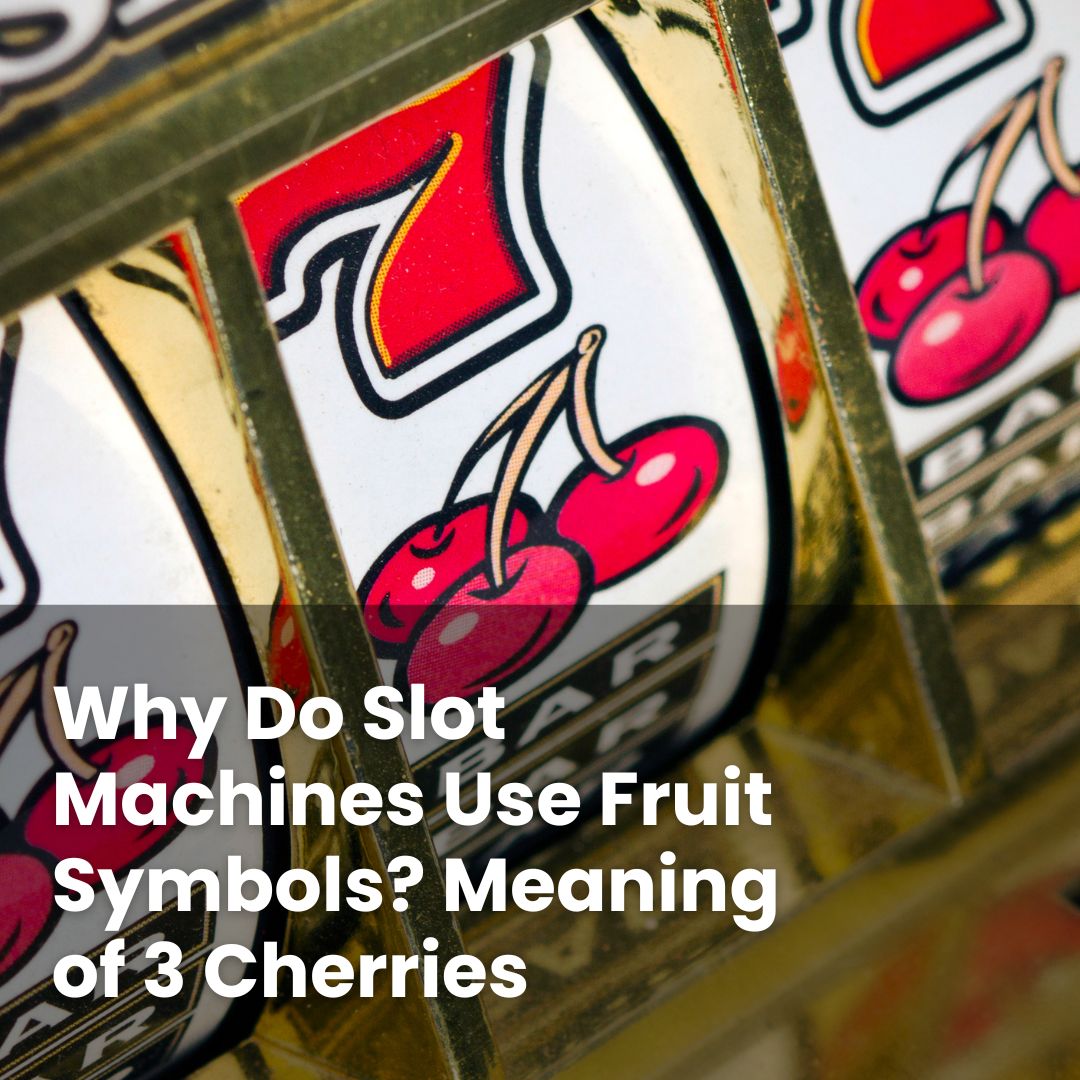
Anyone who has seen a classic slot machine has probably noticed fruit symbols like lemons, oranges, and cherries. They may look simple, but there is a long and quite practical story behind why they appear on so many games.
For many players, seeing three cherries in a row brings back memories of early slots and is often linked to smaller wins. So what do these fruity pictures really mean, and why are they still around?
This blog post looks at why fruit symbols were chosen in the first place, what three cherries usually represent, how paytables show their value, and how modern games handle reels, paylines, and symbol weighting. Outcomes are decided at random, and if you choose to play, set sensible limits and treat it as entertainment.
Why Were Fruit Symbols Introduced?
Fruit symbols first appeared on slot machines in the early 1900s. At the time, some gambling laws in the United States made cash payouts difficult. To work around this, machine makers used fruit images and awarded sweets or chewing gum instead of coins. Each fruit matched a flavour of gum or sweet.
This made the machines look more like vending devices than gambling products, helping them to keep operating. Players liked the bright, simple designs, so the fruit theme stuck even after rules changed and cash prizes returned. Over the years, cherries, lemons and their friends became part of slot identity, recognised at a glance by new and experienced players alike.
So, where do three cherries fit into that picture today?
What Do Three Cherries Mean On A Slot Machine?
Three cherries lined up are a familiar sight, especially on classic fruit-themed games. In most cases, this combination represents one of the lower-paying wins. On traditional machines, three cherries often award a smaller prize than combinations like bells, bars, or sevens. The idea is to offer occasional, modest returns that keep the game moving.
That said, not every slot treats cherries in the same way. The exact value depends on the game’s rules and paytable, and some titles may attach features or modifiers that change how cherries behave. On older-style games, three cherries might pay on a single winning line, while newer versions could tie them into bonus features or alternative ways to win.
To know what they are worth on a specific game, the paytable gives the detail.

Discover The Best Online Casinos
Browse our list of top-recommended casino sites, read reviews from real players & be the first to get access to the latest casino bonuses
How Do Paytables Treat Three Cherries And Small Wins?
A paytable is the game’s reference guide. It shows which symbol combinations pay and how much each is worth. On many fruit machines, three cherries appear near the lower end of the chart, with rarer symbols above them offering higher returns. Some classic-style games also pay for two cherries, or even a single cherry, to create more frequent small wins.
These smaller outcomes help shape how a slot feels to play. Games with more modest, regular payouts tend to feel steadier, while titles that save value for rarer hits can feel swingier. The paytable sets those expectations in black and white, so it is worth a look before spinning.
Those values make more sense once you know how reels and paylines actually produce results.
Reels, Paylines And Symbol Probability
Slot machines use reels and paylines to determine outcomes. Each reel carries a selection of symbols that spin and stop, and paylines are the paths across the reels where matching symbols need to land. Depending on the game, lines can be straight, zig-zagged, or part of “ways to win” systems that pay for matches on adjacent reels.
The chance of seeing any symbol, including fruits, is linked to how often it appears on the reel layout. Common symbols show up more frequently, so they hit more often. Rarer symbols are placed less often, so they pay more when they do land. Every spin is independent, and previous results do not change what happens next.
Symbol Weighting And Virtual Reels
Modern slots usually map the physical reel display to a much larger set of virtual stops inside the game’s software. Designers can then “weight” certain positions so some symbols land more or less often than others. For example, a virtual reel might have 256 positions, with cherries appearing on 20 of them and a top symbol on just 2. This keeps outcomes random while allowing precise control over how frequently each symbol appears and how the overall payouts balance out.
Why Do Modern Slots Still Use Fruit Symbols?
Fruit symbols remain popular because they are part of slot heritage and instantly recognisable. They are clean, readable shapes that make it easy to understand what has landed, which helps new players settle in and gives classic fans a familiar sight. Many modern games blend fruit icons with newer graphics, features, and bonus rounds, mixing tradition with fresh ideas across both online and land-based machines.
So which fruits are you most likely to see, and what do they tend to be worth?
Common Fruit Symbols And Typical Payouts
Cherries, lemons, oranges, plums, and watermelons are among the most common fruit symbols. They are usually associated with the lower end of the paytable, with two or three in a row often delivering one of the game’s smaller, more frequent wins. On some machines, grapes or watermelons can sit in the middle, paying more than cherries and lemons but less than the premium symbols.
Higher-value prizes are often linked to non-fruit icons such as bells, bars, or sevens. The exact figures vary from game to game, so the paytable for that specific title is the place to confirm what each symbol pays and whether partial matches count.
To make sense of those numbers at a glance, it helps to know how paytables are laid out.
How Do I Read A Paytable For Fruit Symbols?
Every slot has a paytable that explains what each symbol is worth and how many you need on a payline or across adjacent reels. Fruit symbols are usually grouped together with clear images, showing the payouts for three, and sometimes for two or even a single fruit on classic titles. Many modern games display values as either fixed amounts or multipliers of your stake, and some show how payouts scale with different bet sizes.
The paytable often includes details on paylines or ways to win, plus any special rules or features that might affect fruit symbols, such as stacked symbols or nudges on traditional-style games. While reading it will not change the outcome, it does set expectations about how often smaller wins might appear and how they compare with the rarer, higher-paying combinations.
Do Three Cherries Always Pay Out Or Indicate Bigger Prizes?
Three cherries are one of the best-known combinations on classic fruit machines, but they do not always guarantee a payout on every game, and they rarely signal a top prize. Their value is set by each slot’s rules. On many titles, three cherries deliver a smaller, more common return, and some games only pay if they land on a valid payline or in a specific pattern.
The key point is that the meaning of three cherries depends on the paytable and game design. If you choose to play, keep stakes within your means and treat any win as a bonus rather than an expectation. Independent organisations such as GamCare and GambleAware offer free, confidential help if gambling starts to affect your well-being or finances.
In short, three cherries are a nod to slot history and usually mark a smaller win, with the exact outcome defined by each game’s paytable and rules.