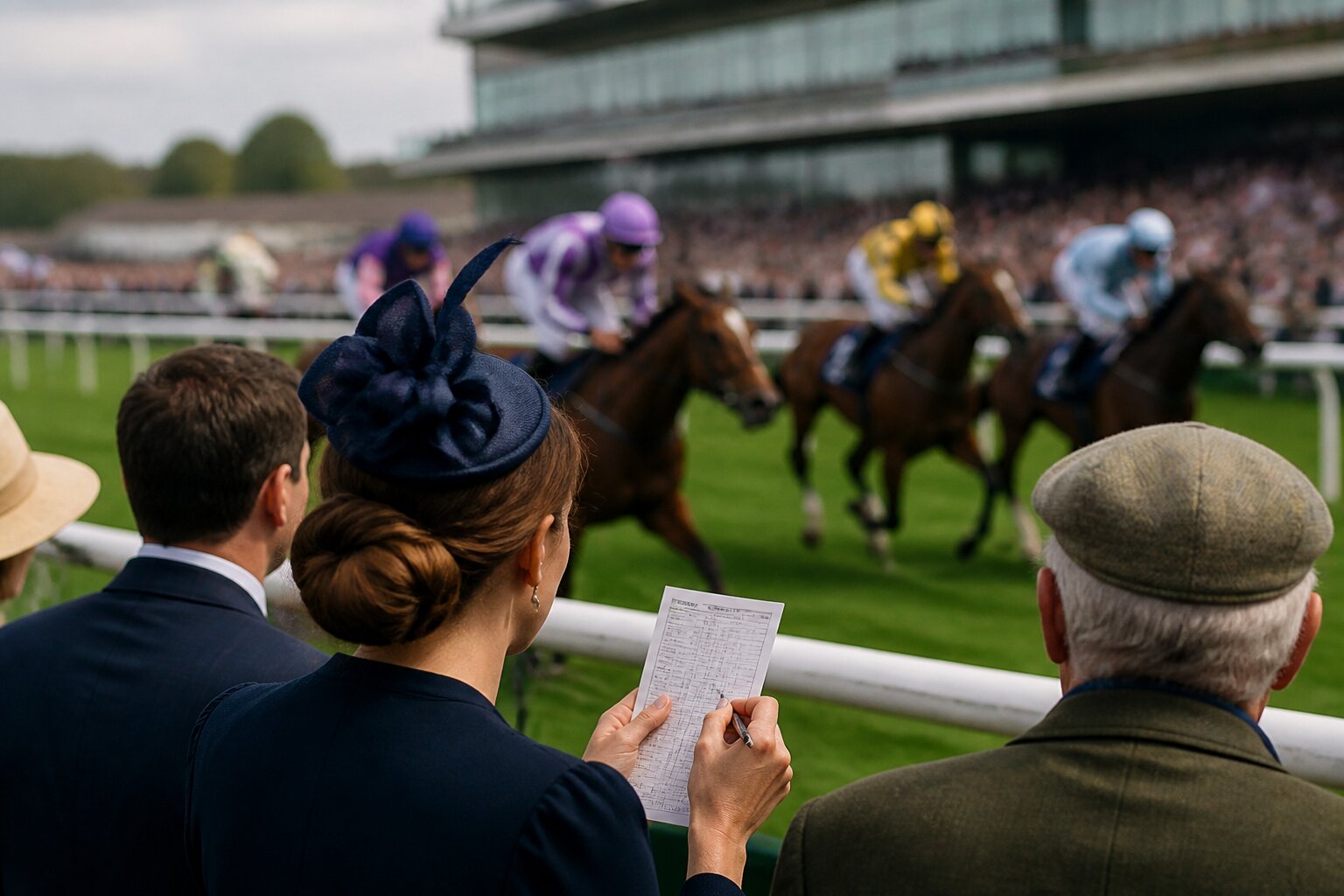
Thinking about betting on the races but not sure what “to be placed” actually means? You’re not alone. Horse racing uses a lot of specialised terms and a few different wager types, so it’s easy to feel unsure at first.
Whether you’re new to the track or keen to sharpen your knowledge, understanding place bets and how they differ from other wagers will help you follow the action with more confidence. Read on for clear explanations and practical examples that demystify the most common bet types.
What Is a Place Bet and How Does It Work?
A place bet is straightforward: you back a horse to finish within the positions that count for a race — typically first, second, or third, depending on the number of runners. Unlike a straight win bet, your selection does not have to finish first to return a payout.
Bookmakers set how many places pay in a race, so smaller races might only pay the first two, while larger fields can pay down to third or fourth. Because the horse needs a less demanding finishing position, the payout is smaller than a win bet, but the chance of getting something back improves.
This makes place bets a sensible option for bettors who prefer a lower-risk way to stay involved in a race. The basic idea is simple, yet the exact returns depend on the place terms for each race.
How Are Place Terms Decided by Bookmakers?
Bookmakers decide place terms mainly by looking at the number of runners and the race type. The more horses in the race, the more places a bookmaker is likely to pay. They also decide what fraction of the win odds will apply to a place — common fractions are one-fifth or one-quarter of the win odds.
These terms can vary between races and between operators, so it’s worth checking the place terms before placing a bet. Doing so tells you exactly how many finishing positions will pay and the fraction of the odds you should expect for a placing return.
If you’re comparing options, focussing on place terms helps you see how different bookmakers handle the same race — and how that affects potential returns.

Discover The Best Online Casinos
Browse our list of top-recommended casino sites, read reviews from real players & be the first to get access to the latest casino bonuses
How Much Does a Place Bet Pay?
Payouts for place bets depend on the horse’s starting odds, the number of places paid, and the fraction of the odds applied to a place. Because the place portion is a reduced fraction of the win odds, returns are typically lower than a successful win bet but more likely to occur.
Example calculation for clarity: back a horse at 10/1 with a £5 place bet. If the bookmaker pays three places at one-fifth of the win odds, the place odds become 2/1. A successful place stake of £5 at 2/1 returns £15 in total — £10 winnings plus the original £5 stake.
These calculations are straightforward once you know the place terms for the race, and they show why checking those terms matters before you bet.
What Is an Each-Way Bet and How Is the Place Part Settled?
An each-way bet splits your stake evenly between a win bet and a place bet. That means part of your stake is on the horse to win, and the other part is on it to finish in a paid position. If the horse wins, both parts pay; if it only places, you receive the place return.
The place portion uses the race’s place terms and the agreed fraction of the odds. For example, a £5 each-way bet at 8/1 where the place fraction is one-fifth for three places would return the place part if the horse finishes third, while the win part would not pay.
Each-way bets are a convenient way to cover both outcomes in a single stake, but the total cost is double the single stake because you are effectively making two bets. It’s sensible to check the place terms for the race so you understand the likely return for the place portion.
How To Place a Place Bet Online
Placing a place bet online is a simple matter of selecting the race and the runner, then choosing the place option on the bet slip. Most betting platforms show win and place options next to each horse and let you enter a stake directly.
If you choose each-way, the system treats this as two equal bets. The platform will use the race’s place terms to calculate any place returns automatically when the race is settled. Take a moment to read the market rules if you are unsure — they will state how many places are paid and the fraction applied.
Being familiar with the site’s bet slip and the market rules helps avoid surprises at settlement. If you prefer, you can compare how different sites display these details before deciding where to place your bets.
How Do Place Bets Work In Multiples and Accumulators?
Place selections can be combined into multiples or accumulators, where every horse in your combined selection must achieve a placing for the bet to win. Because several outcomes must occur, accumulators can produce larger payouts but are also harder to win.
When a non-runner affects one leg of an accumulator, most operators remove that leg and recalculate the overall odds. If any single selection fails to place, the whole accumulator is generally lost. These rules vary slightly between providers, so checking the terms for multiples is important.
Combining place bets across races is a way to aim for a bigger return while still using the more forgiving place outcome rather than relying solely on wins.
What Happens to Place Bets With Non-Runners and Dead Heats?
Occasionally a selected runner won’t start, or two horses finish simultaneously in a dead heat. If a horse is a non-runner, the usual approach is to refund the stake on that selection, and in combined bets the remaining legs stay active with adjusted odds.
A dead heat means the payout allocated to the tied position is shared between the horses involved. For instance, if two horses tie for second, a placing backer would typically receive half the amount they would have had if their horse had been the sole second-place finisher. Different operators may calculate the split slightly differently, so familiarise yourself with the market rules for those specifics.
Understanding how non-runners and dead heats are settled reduces confusion when a race outcome is unusual and ensures you know how your stake will be treated.
How Do Betting Exchanges Settle Place Bets?
Betting exchanges let you back or lay selections against other users rather than a traditional bookmaker. Exchange markets usually separate win and place bets, and the place market follows its own terms for the number of paid positions and settlement calculations.
On exchanges, non-runners are commonly voided in the affected market, and dead heats are settled by splitting the stakes across the tied positions. Because the exchange is a peer-to-peer market, odds and liquidity can change quickly, so it’s helpful to check the market rules and available depth before committing significant stakes.
Exchanges offer different mechanics from bookmaking platforms, which can be useful for experienced bettors but may be more complex for beginners.
How Do Place Bets Differ From Forecasts And Tricasts?
Place bets focus on a single horse finishing in one of the paid positions, making them relatively straightforward. Forecasts and tricasts require predicting finishing positions for multiple horses and therefore carry greater risk and typically higher rewards.
A forecast asks for the first and second horses in the exact order, while a tricast requires the first three in exact order. Because they demand precise outcomes, these bets usually return more than simple place bets when successful, but they are harder to win.
If you prefer a simpler way to be involved in a race, place or each-way bets give you direct exposure to a single runner’s finishing position. For those aiming for larger returns and willing to accept higher risk, forecasts and tricasts provide an alternative route.
Wrap-up
Place bets are a flexible and approachable way to bet on horse racing, offering a middle ground between simplicity and the possibility of a return. Knowing how place terms work, how each-way bets split your stake, and how multiples, non-runners and dead heats are settled helps you follow the sport with clarity. If you want to try placing a bet, use the market rules on your chosen site to confirm the place terms before you stake any money.
**The information provided in this blog is intended for educational purposes and should not be construed as betting advice or a guarantee of success. Always gamble responsibly.