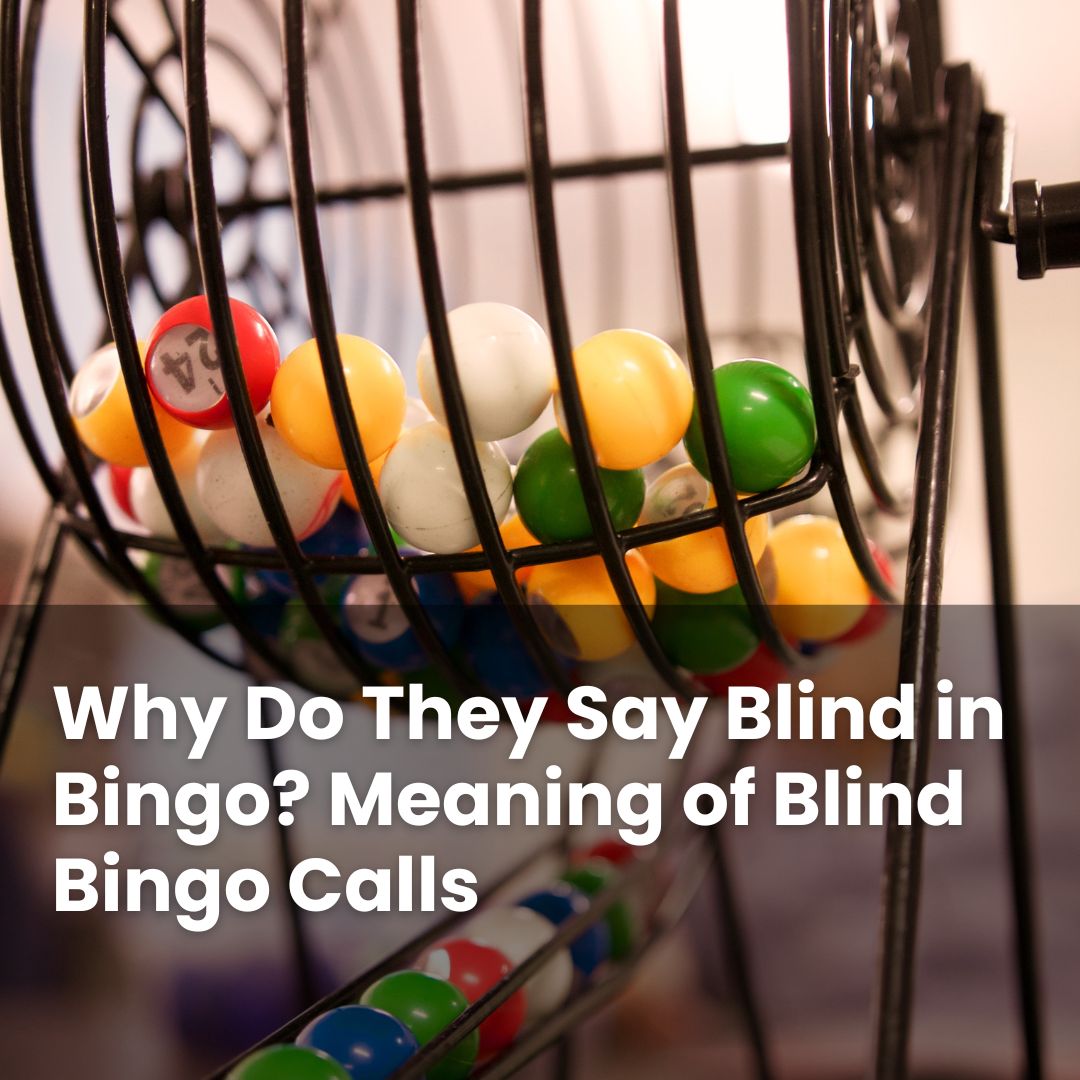
Bingo is filled with unique phrases and traditional calls, some of which can puzzle anyone new to the game. One that often raises eyebrows is the caller using the word “blind”.
What does it mean, where did it come from, and does it affect how a game plays out? This blog post breaks down the idea, shows how it sounds in action, clears up myths and explains how it appears online.
You will also find simple advice on what to do when you hear a blind call, plus a brief reminder about staying in control when you play.
What Does “Blind” Mean In Bingo?
In bingo, “blind” is a spoken cue the caller uses with certain numbers to make them clearer. It signals the decade the number sits in, followed by the final digit.
For example, when a caller announces “one blind five,” they mean 15. “Two blind six” means 26. This helps avoid mix-ups between similar sounds, such as 15 and 50, especially in busy or echoing rooms.
Using “blind” separates numbers by decade, like the teens, twenties or thirties, so players can identify them quickly. It is mainly a British bingo tradition and not every hall or online room uses it, but where it appears it is simply there to aid clarity.
Why Do Callers Say Blind During A Game?
Callers use “blind” to reduce mishears and keep the game fair for everyone. In a lively hall, numbers like 13 and 30 can be mistaken for each other. Adding “blind” places the call in context before the final digit, which makes it easier to follow without second-guessing.
This approach supports smooth play. When players hear the same structure each time, they are less likely to mark the wrong square or miss a call that could matter later.
With the basics covered, it helps to know where this habit started.

Discover The Best Online Casinos
Browse our list of top-recommended casino sites, read reviews from real players & be the first to get access to the latest casino bonuses
Where Did Blind Bingo Calls Come From?
Blind calls grew out of long-standing British bingo traditions, where clear speech mattered in crowded social clubs. In earlier decades, rooms were noisier, microphones were less precise and regional accents were varied, so callers adopted patterns that cut through the chatter. Saying the decade first, then the unit, proved reliable.
As bingo spread across the UK, this style became part of the familiar sound of 90-ball sessions. Some venues still favour it today, while others prefer a simpler “fifteen” or rely on large display boards to do the clarifying.
Hearing the pattern is often the quickest way to grasp it, so a few quick examples help.
Examples Of Blind Calls And How They Sound
Blind calls follow a straightforward rhythm: the decade, the word “blind”, then the final digit. Here is how common numbers might be announced:
- “One blind five” means 15.
- “Two blind six” means 26.
- “Three blind eight” means 38.
- “Four blind three” means 43.
This makes it easier to separate calls that can sound alike, such as 13 and 30 or 16 and 60. Some halls add their own flavour or pacing, so it is worth listening for a minute or two in a new room to get the feel for how the caller speaks.
Do Blind Calls Count Toward A Win?
Yes. A blind call is simply a way of saying a standard number. If the caller says “one blind five,” it is just 15. Players who have that number mark it as they normally would.
Blind-called numbers complete lines and full houses like any other. There are no special rules or extra weight given to numbers announced with “blind”.
That said, the way numbers are spoken can shape the rhythm of a session.
Impact Of Blind Calls On Game Flow
Because “blind” adds a word to the call, it can slow the tempo slightly, but the trade-off is fewer errors and fewer stoppages to resolve disputes. Clearer calls reduce the chance of someone marking 50 when 15 was intended, which helps the table or room move on confidently to the next draw.
In larger halls and 90-ball sessions where calling can be brisk, consistent phrasing also helps new and experienced players keep pace together. Many venues pair spoken calls with visual boards, so if a word is missed, the display backs it up. Callers are trained to repeat or confirm when asked, which keeps play fair without derailing the game.
This balance between clarity and speed is one reason online rooms handle calls a little differently.
How Does Online Bingo Handle Blind Calls?
Online bingo usually shows numbers clearly on screen and highlights them on digital cards, so the need for “blind” is reduced. In automated rooms, a text-to-speech voice may simply say “fifteen” while the number appears visually, leaving little room for confusion.
Where a live host is part of the show, some games keep traditional phrasing for atmosphere. Even then, on-screen prompts and auto-dabbing do most of the heavy lifting, which means newcomers can settle in without learning every call pattern first.
If you do join a room that uses blind phrasing, you will find it matches the style common in British halls, just supported by clearer visuals and audio.
Common Misconceptions About Blind Bingo Calls
A frequent misconception is that a “blind” call marks a special or hidden number. It does not. It is simply a traditional way of announcing numbers to make them easier to catch in the moment.
Another misunderstanding is that blind-called numbers influence results differently. They do not. A number called with “blind” is treated exactly the same as any other.
Some newcomers worry the phrasing is complicated. After a few calls, the pattern becomes familiar and most people find it straightforward.
Knowing that, what is the best way to handle a blind call when you hear one?
How To React When A Blind Call Is Announced?
When a blind call comes up, it helps to listen for the full phrase, then match it to the number on the card. For example, “two blind six” points to 26. If anything sounds unclear, asking the caller to repeat the number is completely normal and part of keeping the game fair for everyone.
Most players mark the square as usual and carry on. There is no extra step or special action needed for blind-called numbers, just the same careful attention you would give any call.
If you choose to play, staying in control matters. Setting personal limits, taking breaks and treating stakes with care can help keep sessions manageable. If gambling starts to affect your well-being or finances, seek support early. Independent organisations such as GamCare and GambleAware offer free, confidential help.